Introduction
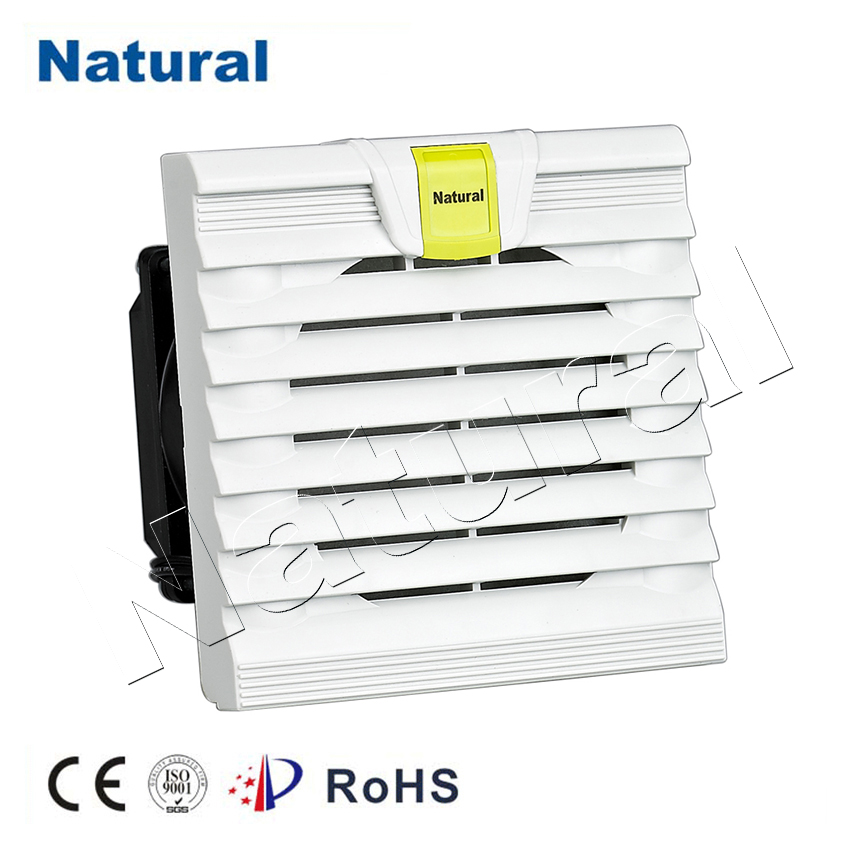
In today’s rapidly advancing technological landscape, electronic devices have become an integral part of our daily lives, serving a myriad of functions across industries. As the demand for high-performance and efficient electronic systems continues to rise, so does the importance of maintaining optimal operating conditions within equipment cabinets. One vital component that contributes to the longevity and functionality of these systems is the cabinet fan filter. This article delves into the significance of cabinet fan filters and their role in enhancing cabinet cooling efficiency. The Importance of Cabinet Cooling Electronic components generate heat during operation, and excessive heat can lead to reduced performance, accelerated wear and tear, and even complete system failures. To mitigate these risks, efficient cooling mechanisms are imperative. Cabinet cooling, which involves the circulation of air within the enclosure to dissipate heat, is a crucial aspect of electronic system maintenance. Cabinet Fan Filters: The Unsung Heroes Cabinet fan filters, often underestimated in their importance, play a pivotal role in maintaining a clean and dust-free environment within equipment enclosures. They act as a first line of defense against airborne particles and contaminants that can infiltrate the cabinet and settle on sensitive electronic components. These filters prevent dust, dirt, and other particles from entering the enclosure and clogging cooling fans, thereby safeguarding the system from potential malfunctions caused by overheating. Benefits of Cabinet Fan Filters Improved Air Quality: Cabinet fan filters significantly enhance air quality within the enclosure, preventing the accumulation of dust and pollutants that could compromise the efficiency and performance of electronic components. Enhanced Cooling Efficiency: Unobstructed airflow is vital for effective cooling. By preventing dust buildup on cooling fans and heat sinks, fan filters ensure optimal heat dissipation, extending the lifespan of electronic devices. Reduced Maintenance: Regular maintenance can be time-consuming and costly. With fan filters in place, the frequency of cleaning and maintenance procedures is reduced, saving both time and resources. Cost Savings: Efficient cooling extends the lifespan of electronic components, reducing the need for premature replacements and repairs, ultimately leading to cost savings. Choosing the Right Cabinet Fan Filter When selecting cabinet fan filters, several factors should be considered: Filtration Efficiency: The filter’s ability to trap particles of various sizes is crucial. High-efficiency filters capture even the smallest particles, ensuring optimal protection for sensitive components. Airflow Restriction: While effective filtration is essential, excessive airflow restriction can hinder cooling performance. Opt for filters that strike a balance between filtration efficiency and airflow. Material and Durability: The filter’s construction material and durability are important, as they determine the filter’s lifespan and resistance to wear and tear. Ease of Replacement: Choose filters that are easy to install and replace to facilitate regular maintenance. Conclusion In the realm of modern electronics, maintaining optimal operating conditions is paramount to ensure reliability and longevity. Cabinet fan filters, often overlooked, play a vital role in enhancing cabinet cooling efficiency by preventing the intrusion of dust and contaminants, thereby promoting effective heat dissipation and overall system performance. By investing in high-quality cabinet fan filters and incorporating them into electronic system design, businesses and individuals alike can ensure the seamless operation of their devices and extend their lifespan.