In today’s rapidly advancing technological landscape, electronic devices and equipment have become an integral part of our lives. From data centers to home electronics, maintaining optimal performance and extending the lifespan of these devices is of utmost importance. One often overlooked yet critical aspect is the management of airflow within equipment cabinets. This is where cabinet fan filters come into play, offering a cost-effective solution to enhance airflow efficiency and provide essential protection for sensitive components.
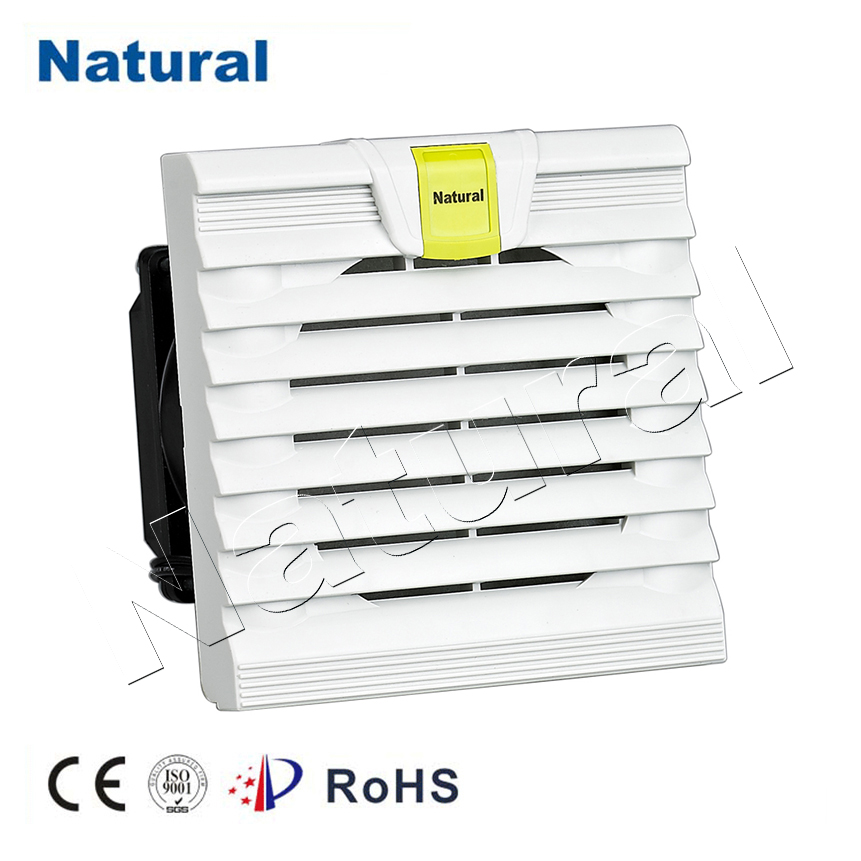
Understanding Cabinet Fan Filters Cabinet fan filters are specialized components designed to regulate airflow and maintain a clean environment within equipment cabinets. These filters are strategically placed at the points of air intake and exhaust, ensuring that incoming air is free from dust, debris, and other contaminants. The primary purpose of these filters is to prevent the accumulation of particulate matter on delicate electronic components, which could lead to overheating, performance degradation, and even system failures. Benefits of Cabinet Fan Filters Improved Airflow:Efficient airflow management is crucial for preventing the buildup of heat within cabinets. Cabinet fan filters enable a continuous exchange of air, helping to dissipate heat generated by devices and maintain a stable operating temperature. This ultimately contributes to the longevity and reliability of the enclosed electronics. Dust and Contaminant Prevention:The environment in which electronic devices operate can be laden with dust, dirt, and other particles. Without proper filtration, these contaminants can settle on sensitive components, impeding their functionality and potentially causing irreparable damage. Cabinet fan filters act as the first line of defense, capturing particles and preventing them from entering the cabinet. Cost-Effective Maintenance:Regular cleaning and maintenance of electronic components can be time-consuming and costly. Cabinet fan filters significantly reduce the need for frequent cleaning, as they capture the majority of particles before they can infiltrate the cabinet. This not only saves time but also minimizes downtime and extends the operational life of the equipment. Optimized Performance:Unrestricted airflow ensures that devices can operate at their full potential. By maintaining proper ventilation, cabinet fan filters contribute to consistent performance levels and prevent thermal throttling that might occur due to overheating. Versatility:Cabinet fan filters come in various sizes and materials to accommodate different cabinet designs and equipment types. This versatility allows them to be seamlessly integrated into a wide range of setups, making them an adaptable solution for diverse applications. Choosing the Right Cabinet Fan Filter When selecting cabinet fan filters, several factors should be considered to ensure optimal performance: Filtration Efficiency:Choose filters with high-quality filtration materials that can capture even the smallest particles. HEPA (High-Efficiency Particulate Air) filters are a popular choice due to their exceptional filtration capabilities. Airflow Resistance:While effective filtration is essential, it’s also crucial to choose filters that offer minimal resistance to airflow. Excessive resistance can negatively impact the overall cooling efficiency of the cabinet. Maintenance and Replacement:Look for filters that are easy to clean or replace. Filters that can be easily removed, cleaned, and reinstalled facilitate regular maintenance without disrupting the equipment. Compatibility:Ensure that the selected filter size and design are compatible with your cabinet’s ventilation system. Proper fitment is essential to prevent bypass airflow. Conclusion In the world of electronics, efficient airflow management and protection against contaminants are paramount to maintaining optimal performance and prolonging the lifespan of devices. Cabinet fan filters address these critical needs by enhancing airflow efficiency and safeguarding delicate components from dust and debris. By incorporating these cost-effective solutions into equipment cabinets, users can ensure reliable performance, reduced maintenance efforts, and a longer operational life for their electronic investments.