In various industries and applications, the proper management of temperature and air quality within electronic cabinets and enclosures is crucial to ensure the optimal performance and longevity of sensitive equipment. Cabinet fans and filter fans play a pivotal role in maintaining a controlled environment by facilitating adequate airflow and preventing the buildup of dust and contaminants. In this article, we will explore the significance and benefits of these two components in enhancing overall system efficiency.
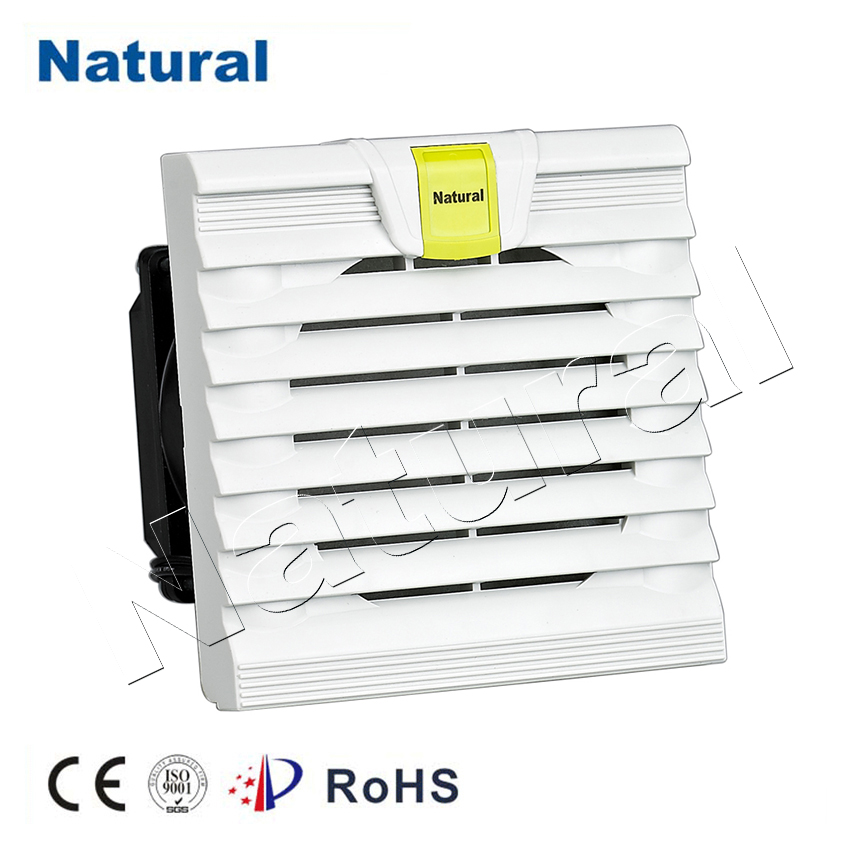
Cabinet Fans: Regulating Temperatures Electronic components generate heat during operation, and if not properly dissipated, excessive heat can lead to performance degradation and even permanent damage. Cabinet fans are designed to address this issue by promoting air circulation within the enclosed space, effectively dissipating the heat generated by the components. By strategically placing cabinet fans at key positions within the cabinet, engineers can create a consistent airflow pattern that ensures uniform cooling. These fans are often accompanied by a fan controller that adjusts the fan speed based on temperature readings, maintaining an optimal internal climate. This not only prevents overheating but also extends the lifespan of the components, reducing the likelihood of costly downtime and replacements. Filter Fans: Combating Contaminants In addition to managing temperature, maintaining air quality is equally important. Dust, dirt, and other contaminants can infiltrate cabinets over time, accumulating on sensitive components and hindering their performance. This is where filter fans come into play. A filter fan assembly typically consists of a fan, a filter mat, and an airflow outlet. The filter mat acts as a barrier, trapping particles before they can enter the enclosure. As the fan draws air through the filter, it not only cools the components but also cleans the incoming air. This is especially critical in environments with high levels of dust or pollutants. Filter fans are commonly used in industries such as manufacturing, telecommunications, and data centers, where maintaining a clean environment is essential for equipment longevity and reliability. Synergy Between Cabinet Fans and Filter Fans While cabinet fans focus on temperature control and filter fans address air quality, these two components often work hand in hand to optimize the enclosed environment. By regulating the airflow, cabinet fans ensure that air moves consistently across all components, maximizing the effectiveness of filter fans in removing contaminants. Conversely, the clean air generated by filter fans helps prevent the accumulation of dust that could otherwise obstruct the proper functioning of cabinet fans. Energy Efficiency and Sustainability Beyond their functional benefits, cabinet fans and filter fans contribute to energy efficiency and sustainability. Modern designs emphasize low power consumption and quiet operation, reducing the overall environmental impact. Moreover, the enhanced equipment performance and extended lifespan resulting from proper temperature and air quality management translate into fewer replacements and less electronic waste. Conclusion In the world of electronics, maintaining an optimal environment within cabinets and enclosures is essential for ensuring the longevity and performance of sensitive equipment. Cabinet fans and filter fans are indispensable components in achieving this goal. They collaborate to regulate temperature, prevent overheating, and eliminate contaminants, all while promoting energy efficiency and sustainability. As technology continues to evolve, these components will undoubtedly remain integral to the design and operation of various electronic systems across diverse industries.