In the realm of modern technology, where every aspect of our lives is becoming smarter and more connected, even the most inconspicuous components are undergoing remarkable transformations. Among these components, the bimetal thermostat stands as a testament to the marriage of traditional engineering with cutting-edge innovations. In this article, we delve into the world of bimetal thermostats, exploring their functionality, applications, and their role in shaping the future of temperature control.
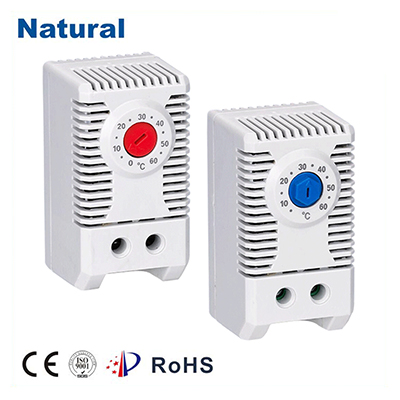
The Basics of Bimetal Thermostats A bimetal thermostat, a cornerstone of temperature control devices, is built upon a simple yet ingenious concept. It consists of two different metals with distinct coefficients of thermal expansion that are bonded together. As the temperature changes, these metals expand or contract at different rates, causing the bonded strip to bend. This bending motion is then used to trigger an electrical switch that controls heating, cooling, or other temperature-related processes. The Functionality Unveiled The key strength of bimetal thermostats lies in their inherent reliability. Unlike their digital counterparts, they operate without the need for complex algorithms, programming, or external power. This not only makes them energy-efficient but also renders them dependable in various environments, even those where power sources might be scarce or unstable. Their analog nature ensures a proportional response to temperature changes, allowing for smooth and consistent regulation. Applications Across Industries The applications of bimetal thermostats span across a wide array of industries. In the realm of household appliances, they serve as the control mechanism for refrigerators, ovens, water heaters, and air conditioners. The automotive sector benefits from their use in engine cooling systems and climate control. Industrial processes, such as those involving heating and cooling in manufacturing, also rely on these thermostats to ensure optimal conditions. Their role extends further into safety devices, preventing overheating and potential hazards in electrical equipment. Bridging Tradition with Modernity Amid the rapid evolution of digital technologies, bimetal thermostats might appear as relics of the past. However, their continued relevance is underpinned by their simplicity, durability, and cost-effectiveness. In an era of complex smart devices, these thermostats offer a bridge between traditional engineering and modern innovation. The Future of Bimetal Thermostats As we progress into an era of the Internet of Things (IoT) and smart environments, bimetal thermostats are not left behind. Ingenious adaptations are being developed that integrate these thermostats into connected ecosystems. By incorporating wireless communication capabilities, they can communicate temperature data to centralized systems, enabling remote monitoring and control. This advancement enhances efficiency, enables predictive maintenance, and contributes to energy conservation. Conclusion The bimetal thermostat, with its roots deeply embedded in the principles of physics and engineering, continues to be a stalwart in temperature control. Its simplicity, reliability, and adaptability have allowed it to thrive in various industries and adapt to the demands of our interconnected world. As we move forward, the bimetal thermostat’s legacy evolves, reminding us that even in the midst of digital revolutions, there is value in the foundational technologies that have shaped our modern world.