Introduction: Air heaters play a crucial role in various industries and applications, contributing to energy efficiency, comfort, and environmental sustainability. These versatile devices are designed to heat air and are used in a wide range of contexts, from industrial processes to residential heating systems. In this article, we will delve into the innovations and benefits of air heaters, exploring their significance in modern technology and daily life.
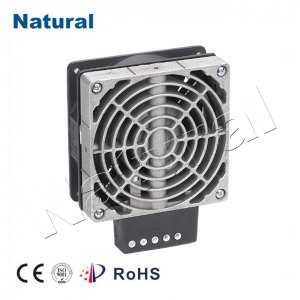
Innovations in Air Heater Technology: Recent advancements in technology have led to the development of more efficient and advanced air heaters. One notable innovation is the integration of smart controls and sensors, allowing for precise temperature regulation and energy optimization. These smart air heaters can automatically adjust their output based on real-time conditions, ensuring optimal performance while minimizing energy consumption. Another groundbreaking development is the use of renewable energy sources to power air heaters. Solar-powered air heaters, for example, harness the energy of the sun to warm air, making them environmentally friendly and cost-effective solutions. This innovation aligns with the global push for sustainable practices and reduced carbon emissions. Benefits of Air Heaters: Energy Efficiency: Air heaters are designed to convert a high percentage of the input energy into heat, making them highly efficient devices. This efficiency translates into lower energy costs and reduced environmental impact. Comfort and Productivity: In industrial settings, air heaters play a vital role in maintaining a comfortable working environment. Properly heated air improves employee comfort and productivity, particularly in cold climates. Versatility: Air heaters are versatile and can be adapted to various applications, including drying processes, space heating, and ventilation. Their flexibility makes them a valuable asset in industries such as agriculture, manufacturing, and construction. Reduced Moisture and Humidity: Air heaters can help reduce moisture and humidity levels in enclosed spaces, preventing the growth of mold and bacteria. This is especially important for maintaining healthy indoor air quality. Rapid Heating: Air heaters offer rapid heating capabilities, quickly raising the temperature of a space or a process. This feature is essential in scenarios where time-sensitive operations are involved. Environmental Impact: The use of renewable energy sources in air heaters contributes to a reduced carbon footprint and promotes sustainable practices. This aligns with the global effort to combat climate change. Conclusion: Air heaters have evolved significantly in recent years, incorporating smart technology and renewable energy sources to enhance efficiency and sustainability. Their contributions to energy savings, comfort, and environmental preservation make them indispensable in both industrial and residential settings. As technology continues to advance, we can expect even more innovative solutions that further improve the performance and benefits of air heaters, ultimately shaping a more sustainable and energy-efficient future.