In the realm of modern technology, precision and convenience have become paramount. One of the key innovations that exemplify this concept is the adjustable temperature control switch. This versatile device has revolutionized various industries, from home appliances to industrial processes, by allowing users to finely tune and regulate temperatures according to their specific needs.
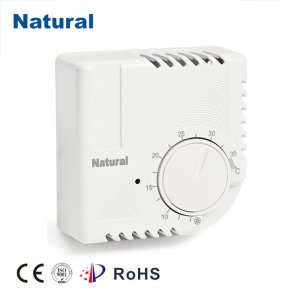
Understanding the Adjustable Temperature Control Switch An adjustable temperature control switch, often referred to as a thermostat, is a device that monitors and regulates temperature levels within a certain range. Unlike conventional on/off switches, this advanced control switch offers the capability to set a desired temperature and maintains it within a close tolerance. This not only enhances energy efficiency but also ensures optimal performance of devices and systems. Advantages in Home Applications The adjustable temperature control switch has found widespread use in homes, fundamentally transforming the way we interact with our environment. Heating, ventilation, and air conditioning (HVAC) systems are prime examples. With a temperature control switch in place, homeowners can create a comfortable indoor climate while minimizing energy consumption. This not only leads to cost savings on utility bills but also reduces overall environmental impact. Furthermore, the technology has greatly improved the efficiency of household appliances such as refrigerators and water heaters. These devices are now able to maintain temperatures within narrow ranges, preserving the quality of perishable goods and providing consistent hot water supply. Industrial Significance Beyond the domestic sphere, adjustable temperature control switches play a pivotal role in industrial processes. Manufacturing operations that require precise temperature control, such as in chemical reactions or metallurgical processes, rely on these switches to maintain optimal conditions. This ensures the quality and reliability of the end products, while also contributing to workplace safety. The field of medical equipment also benefits significantly from adjustable temperature control switches. Devices like incubators, sterilizers, and diagnostic instruments necessitate stringent temperature regulation for accurate results and patient well-being. These switches guarantee that such equipment operates flawlessly within the required temperature parameters. Energy Efficiency and Environmental Impact One of the most significant advantages of adjustable temperature control switches is their positive impact on energy consumption and environmental sustainability. By allowing devices to operate only when necessary and within specified temperature ranges, these switches prevent unnecessary energy wastage. This aligns with global efforts to reduce carbon footprints and combat climate change. Challenges and Future Developments While adjustable temperature control switches offer numerous benefits, there are challenges that continue to be addressed. Calibration accuracy, durability, and compatibility with various systems are areas under ongoing improvement. Researchers and engineers are working to enhance the reliability and adaptability of these switches, thereby expanding their applications even further. Conclusion The adjustable temperature control switch stands as a remarkable testament to human ingenuity. Its ability to regulate temperatures precisely and efficiently has transformed how we live and work. From the comfort of our homes to the intricacies of industrial processes, this technology plays an indispensable role. As innovation continues, we can anticipate even more sophisticated temperature control solutions that will further elevate our quality of life and contribute to a more sustainable future.