In today’s rapidly advancing technological world, there are numerous innovations designed to enhance our comfort and convenience. One such innovation that has stood the test of time is the adjustable mechanical thermostat. This unassuming device, though often overshadowed by its digital counterparts, plays a pivotal role in maintaining optimal temperatures within our living and working spaces. In this article, we will delve into the features, benefits, and significance of adjustable mechanical thermostats.
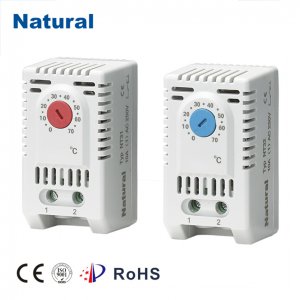
Understanding Adjustable Mechanical Thermostats Adjustable mechanical thermostats are simple yet highly effective temperature-regulating devices that have been in use for decades. Unlike their digital successors, they operate through purely mechanical means, devoid of complex circuitry and digital displays. A classic example is the bi-metallic strip thermostat, where two different metals with varying coefficients of expansion are bonded together. This assembly bends with temperature changes, activating a switch that controls the heating or cooling system. Features and Benefits Reliability: One of the primary advantages of adjustable mechanical thermostats is their reliability. These thermostats do not rely on electricity or batteries to function, making them impervious to power outages or battery failures. As a result, you can trust that your heating or cooling system will continue to work even in adverse conditions. Ease of Use: These thermostats are incredibly user-friendly. With a straightforward dial or lever to adjust the desired temperature, users can easily set the thermostat to their preferred comfort level. This simplicity is especially useful for those who are not accustomed to navigating digital interfaces. Durability: Adjustable mechanical thermostats are known for their durability. With fewer electronic components, there are fewer opportunities for malfunctions. This longevity contributes to cost savings, as you won’t need to replace the thermostat as frequently as digital models. Cost-Effectiveness: The initial cost of purchasing and installing an adjustable mechanical thermostat is typically lower than that of its digital counterparts. Furthermore, the energy consumption of these thermostats is usually quite low, helping to reduce utility bills over time. Compatibility: These thermostats are compatible with a wide range of heating and cooling systems, making them versatile choices for various environments. Whether you have a central heating system, baseboard heaters, or even a window air conditioner, there’s likely an adjustable mechanical thermostat that suits your needs. Significance in Modern Times In an era where digital advancements dominate, it might seem counterintuitive to opt for a mechanical thermostat. However, these tried-and-true devices continue to play a significant role in modern living: Backup Solution: In areas prone to power outages or where digital infrastructure is unreliable, adjustable mechanical thermostats offer a reliable backup solution to maintain comfortable indoor temperatures. Simplicity in Design: The straightforward design of these thermostats makes them ideal for older adults or those who are not tech-savvy. Their simplicity transcends generations, ensuring that everyone can effortlessly regulate their indoor climate. Energy Efficiency: The absence of complex electronics means that adjustable mechanical thermostats consume minimal energy. This efficiency not only reduces environmental impact but also contributes to lower energy bills. In conclusion, adjustable mechanical thermostats may be traditional in design, but their reliability, ease of use, and cost-effectiveness make them enduring choices for temperature control. As we navigate a world of rapid technological changes, it’s important to recognize and appreciate the value of these steadfast devices that have been keeping us comfortable for generations.