Molded Case Circuit Breakers (MCCBs) are an integral component of modern electrical systems, serving as the first line of defense against electrical faults and overloads. These robust devices are designed to protect both people and equipment by interrupting the flow of electrical current when it exceeds safe levels. In this article, we will delve into the world of MCCBs, exploring their structure, functions, applications, and importance in electrical safety.
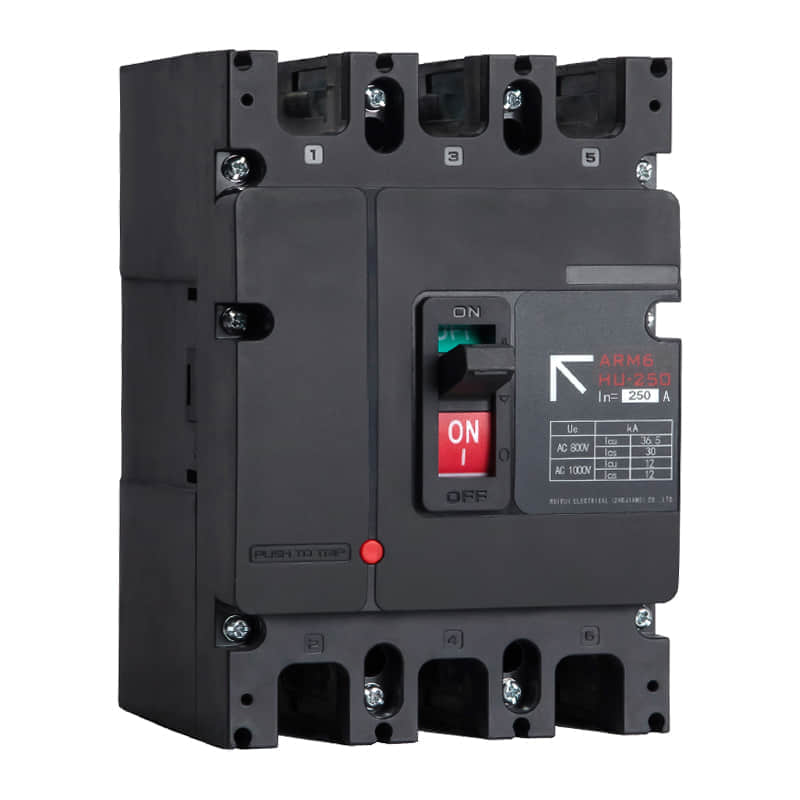
Structure and Components
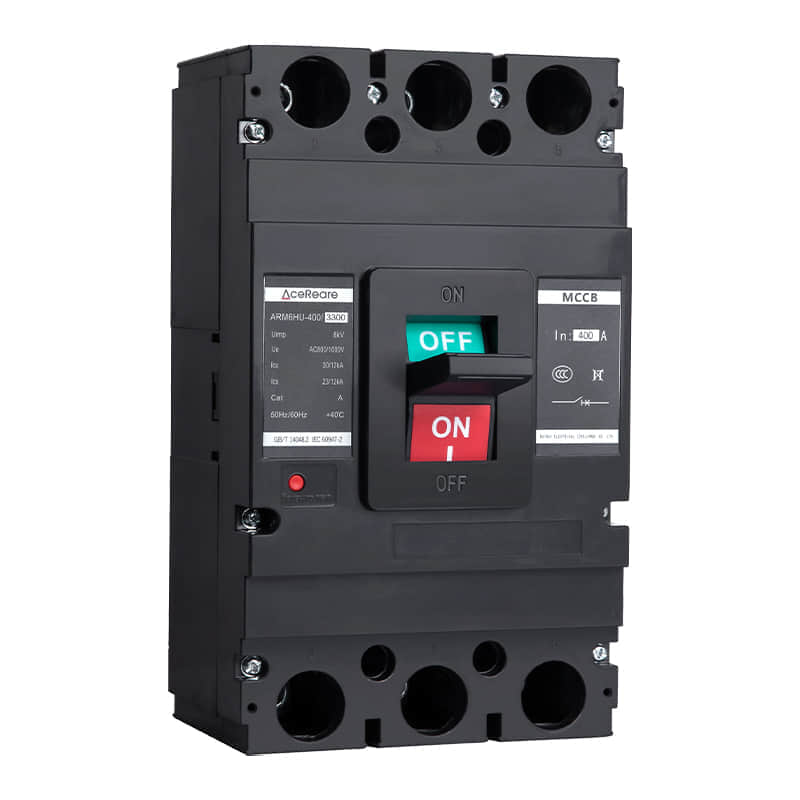
MCCBs are aptly named due to their molded case, which houses all the essential components. The core parts of an MCCB include: Frame: The frame forms the outermost structure and provides mechanical support. It also houses the trip unit, which is responsible for sensing and reacting to overcurrent conditions. Contacts: MCCBs have both stationary and movable contacts. When the circuit is closed, these contacts connect, allowing current to flow. When an overcurrent is detected, the contacts separate, breaking the circuit. Arc Chute: To prevent arcing (the electrical discharge between contacts), MCCBs are equipped with an arc chute. This device extinguishes the arc efficiently and ensures a quick interruption of current. Operating Mechanism: The operating mechanism is responsible for opening and closing the contacts. It can be manual or automatic, depending on the MCCB’s design and application. Trip Unit: The trip unit is the brain of the MCCB. It monitors current flow and trips the breaker if it detects a fault. The trip unit can be thermal, magnetic, or a combination of both, allowing for protection against various types of overcurrents. Functions and Operations MCCBs primarily serve two critical functions: Overload Protection: When the current exceeds the MCCB’s rated capacity for a prolonged period, it triggers the thermal trip unit, which gradually opens the contacts to prevent overheating and potential damage to the circuit. Short-Circuit Protection: In the case of a sudden surge in current, the magnetic trip unit responds instantly, opening the contacts to interrupt the circuit. This rapid response safeguards against short circuits and protects equipment and personnel. MCCBs operate on the principle of selective coordination, ensuring that the breaker closest to the fault trips first, minimizing downtime and maintaining system integrity. Applications MCCBs find applications in a wide range of industries and settings, including: Industrial Facilities: MCCBs are the backbone of electrical protection in factories and manufacturing plants, guarding heavy machinery and production lines against electrical faults. Commercial Buildings: In office buildings, shopping malls, and hotels, MCCBs are used to safeguard lighting, HVAC systems, and other electrical infrastructure. Residential Installations: In homes, MCCBs are an integral part of distribution panels, providing protection for circuits powering appliances and lighting. Renewable Energy: In renewable energy systems like solar and wind farms, MCCBs protect against faults in power generation and distribution. Transportation: MCCBs are used in the electrical systems of trains, ships, and aircraft to ensure safe and reliable operation. Importance in Electrical Safety The importance of MCCBs in ensuring electrical safety cannot be overstated. Their ability to quickly disconnect power during faults prevents fires, equipment damage, and electrical hazards, ultimately saving lives. Moreover, MCCBs play a crucial role in preventing power outages and minimizing downtime in critical applications. Conclusion Molded Case Circuit Breakers are the unsung heroes of electrical systems, quietly ensuring the safety and reliability of our power distribution networks. From industrial complexes to our homes, MCCBs stand guard against overloads and short circuits, preserving both equipment and lives. As technology continues to advance, MCCBs will evolve to meet new challenges, but their fundamental role in electrical safety will remain unchanged.
