The demand for more efficient and reliable energy storage systems has driven innovation in various technologies, especially in the field of lithium batteries. Lithium batteries, known for their high energy density and long cycle life, are the backbone of many modern devices, from electric vehicles to renewable energy storage systems. However, one of the most critical challenges in the effective use of lithium batteries is managing their temperature. Overheating or excessive cold can cause performance degradation, reduce the lifespan of the battery, or even lead to catastrophic failures. This is where the Lithium Battery Damper Actuator comes into play, playing a crucial role in temperature regulation and ensuring the safe and optimal functioning of lithium-ion batteries.
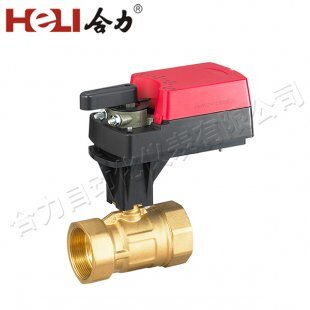
What is a Lithium Battery Damper Actuator?
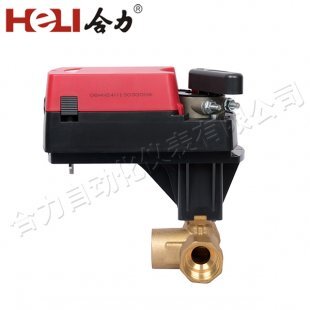
A Lithium Battery Damper Actuator is a specialized device used to control the airflow and temperature around lithium battery packs. It operates as a part of a broader thermal management system, which helps maintain the battery within its ideal temperature range during charging and discharging cycles. The damper actuator is designed to regulate the opening and closing of air vents or dampers, adjusting airflow based on the temperature and environmental conditions inside the battery compartment. The actuator typically uses the power from the lithium battery itself to drive the damper mechanism. It responds to real-time data from temperature sensors embedded in the system, which monitor the internal conditions of the battery. By adjusting the airflow, the actuator helps dissipate excess heat or ensure that the battery stays warm in cold conditions. This ensures that the battery can operate efficiently, preventing overheating or freezing that might otherwise damage the cells.
Leave a Reply