Automotive relay coils are integral components of modern vehicle electrical systems, enhancing the reliability and efficiency of various operations. Understanding automotive relay coil specifications is essential for anyone involved in vehicle maintenance, repair, or design. This article will delve into the key specifications of automotive relay coils, emphasizing their importance in automotive applications.
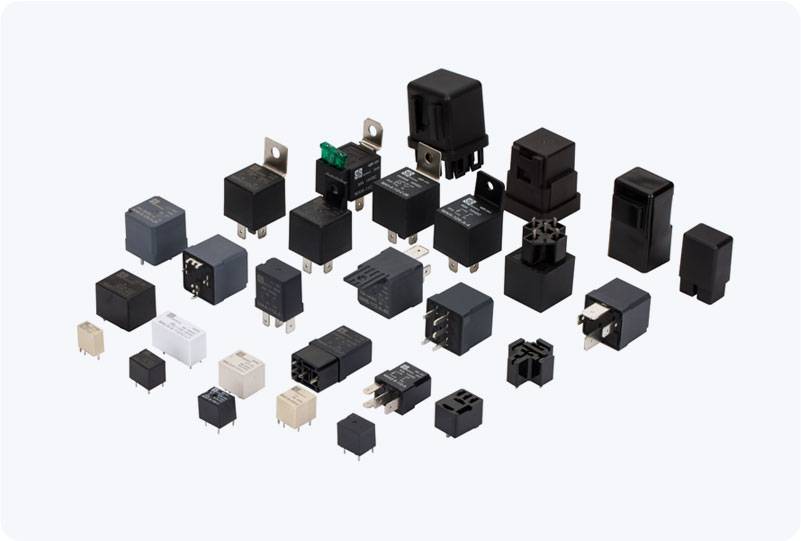
1. Coil Voltage One of the primary specifications of an automotive relay coil is its voltage rating, typically 12V or 24V. Most passenger vehicles operate on a 12V system, while commercial vehicles or larger trucks often use a 24V system. The coil voltage dictates how the relay operates; it must match the vehicle’s electrical system to ensure proper functionality. Using a relay with the incorrect voltage could lead to failure, either by not activating the relay at all or by causing damage due to over-voltage. 2. Coil Resistance Coil resistance is another crucial specification that influences the current flowing through the coil. It is measured in ohms and can vary widely among different relay designs, often ranging from 50 to 1000 ohms. This resistance is critical for determining the coil current when a voltage is applied, following Ohm’s Law (I = V/R). For a 12V relay with a resistance of 200 ohms, the coil current would be 60 mA. Knowing the coil resistance helps in ensuring that the control circuit can provide adequate power to activate the relay without overheating.
Leave a Reply