As the world increasingly shifts towards sustainable energy solutions, the importance of advanced technologies in optimizing the efficiency of renewable energy systems becomes more pronounced. Among these technologies, the New Energy Relay plays a crucial role. This device not only controls electrical flow but also enhances the safety, efficiency, and automation of renewable energy systems such as solar and wind power. In this article, we will explore the functions, advantages, and future trends of New Energy Relays and their vital contribution to the renewable energy landscape.
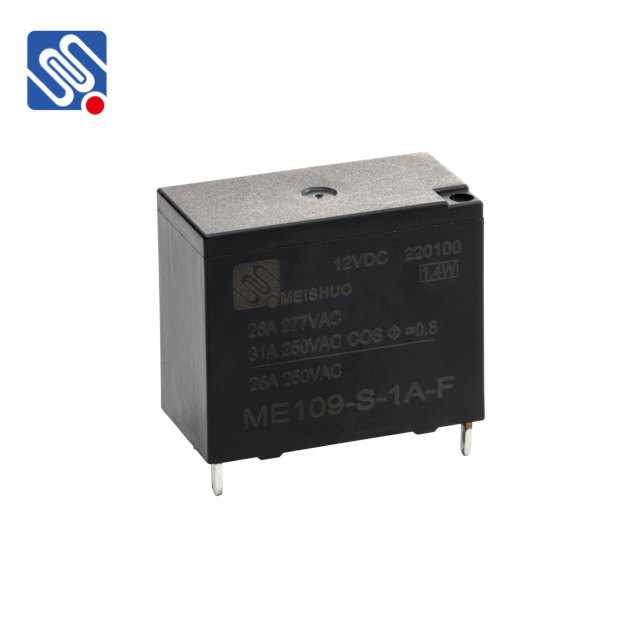
Understanding New Energy Relays New Energy Relays are specialized devices designed to manage electrical power in renewable energy systems effectively. They facilitate the operation of solar panels, wind turbines, and energy storage systems by controlling the flow of electricity and providing essential protection against electrical faults. Their core functions include switching, monitoring, and automating various processes within the energy system, ensuring optimal performance under diverse operating conditions. Key Functions of New Energy Relays Control Mechanism: One of the primary roles of New Energy Relays is to control electrical switches, enabling or disabling the connection between energy sources and loads. For instance, in solar photovoltaic (PV) systems, these relays can disconnect the solar panels from the battery or the grid once the batteries are fully charged. This prevents overcharging and prolongs battery life, significantly contributing to energy management and sustainability.
Leave a Reply