The lithium battery electric single seat regulating valve is a cutting-edge component widely used in various industries, ranging from energy storage to manufacturing and even in the automotive sector. With the increasing demand for energy-efficient solutions and sustainable practices, this valve plays a crucial role in optimizing performance, ensuring reliability, and enhancing the overall system efficiency. This article delves into the function, design, applications, and advantages of the lithium battery electric single seat regulating valve, shedding light on its significant contribution to modern industrial processes.
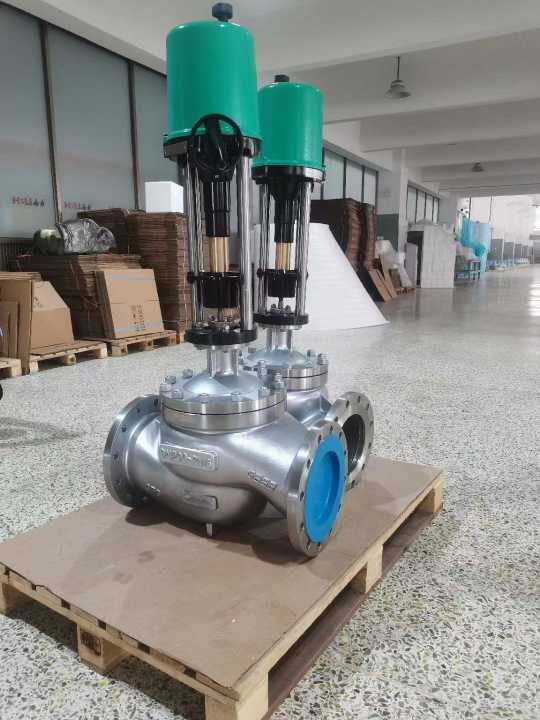
Understanding the Lithium Battery Electric Single Seat Regulating Valve At its core, a regulating valve is a mechanical device that controls the flow of a liquid or gas within a pipeline. The single seat configuration refers to a valve design that utilizes a single sealing element to regulate the flow. These valves are designed to maintain precise control over fluid dynamics, which is essential in many industrial systems. When powered by an electric actuator, the valve becomes capable of automated operation, offering increased precision and reduced human error. The “lithium battery” aspect of this valve refers to the power source that drives the electric actuator. Lithium-ion batteries are chosen due to their high energy density, long lifespan, and efficiency. They are widely recognized for their ability to provide reliable, long-term power in systems that require continuous operation or operation in remote locations where grid power is unavailable.
Leave a Reply