In today’s rapidly changing world, the importance of indoor air quality has become increasingly evident. As we spend more time indoors, ensuring that the air we breathe is clean and healthy has become a paramount concern. One effective way to achieve this is by utilizing ventilation fans and filters, which play a crucial role in maintaining optimal indoor air quality.
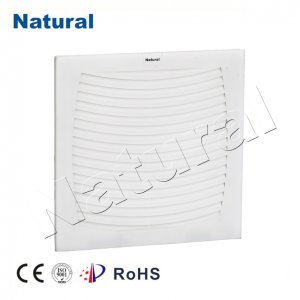
Ventilation fans serve as the lungs of a building, facilitating the exchange of indoor and outdoor air. They help expel stale air laden with pollutants, moisture, and odors, and replace it with fresh, clean air from the outside. By constantly renewing the air inside a space, ventilation fans prevent the accumulation of allergens, mold, and harmful chemicals, thereby creating a healthier environment. Filters, on the other hand, are the unsung heroes of indoor air quality. They work in tandem with ventilation fans to trap and remove airborne particles that could otherwise be inhaled. Filters come in various types, each designed to capture specific pollutants such as dust, pollen, pet dander, and even microscopic particles like bacteria and viruses. High-efficiency particulate air (HEPA) filters, for instance, are widely renowned for their ability to capture particles as small as 0.3 micrometers with an efficiency of 99.97%. Combining ventilation fans with effective filters results in a dynamic partnership that significantly improves indoor air quality. When polluted indoor air is drawn out by the ventilation fan, it passes through the filter, which captures and removes a wide range of pollutants. This process prevents the circulation of harmful particles and ensures that the air entering the indoor space is purified and safe to breathe. The benefits of utilizing ventilation fans and filters extend beyond health considerations. Improved indoor air quality has been linked to enhanced cognitive function, better sleep quality, and increased overall well-being. Moreover, businesses and institutions can benefit from reduced absenteeism and higher productivity among occupants when they provide a clean and comfortable indoor environment. In residential settings, ventilation fans and filters are indispensable for spaces like kitchens and bathrooms, where moisture and odors tend to accumulate. In these areas, exhaust fans paired with filters help prevent the growth of mold and mildew, ensuring the longevity of building materials and reducing maintenance costs. Additionally, households with family members who suffer from allergies or respiratory conditions can greatly benefit from the allergen-reducing effects of proper ventilation and filtration systems. Commercial and public spaces also stand to gain from the implementation of ventilation fans and filters. Restaurants can maintain a pleasant dining environment by eliminating cooking odors and improving indoor air quality, while offices and educational institutions can provide a healthier atmosphere for employees and students. Medical facilities, in particular, rely heavily on ventilation systems equipped with advanced filters to prevent the spread of airborne infections and maintain sterile environments. In conclusion, the significance of ventilation fans and filters in promoting indoor air quality cannot be overstated. These technologies work harmoniously to expel pollutants, control humidity, and prevent the circulation of harmful particles. By choosing appropriate ventilation fans and filters, we can create indoor environments that are not only comfortable and energy-efficient but also conducive to our overall well-being. As we continue to recognize the importance of clean air, incorporating these solutions into our homes and buildings becomes a crucial step towards a healthier and happier life.