In the ever-evolving landscape of smart technology, the thermostat din rail stands as a testament to innovation in the field of home automation. This unassuming device, though often overlooked, plays a pivotal role in optimizing energy consumption, enhancing comfort, and providing a seamless control experience for homeowners. In this article, we will delve into the world of thermostat din rails, shedding light on their functionality, advantages, and potential impact on modern living.
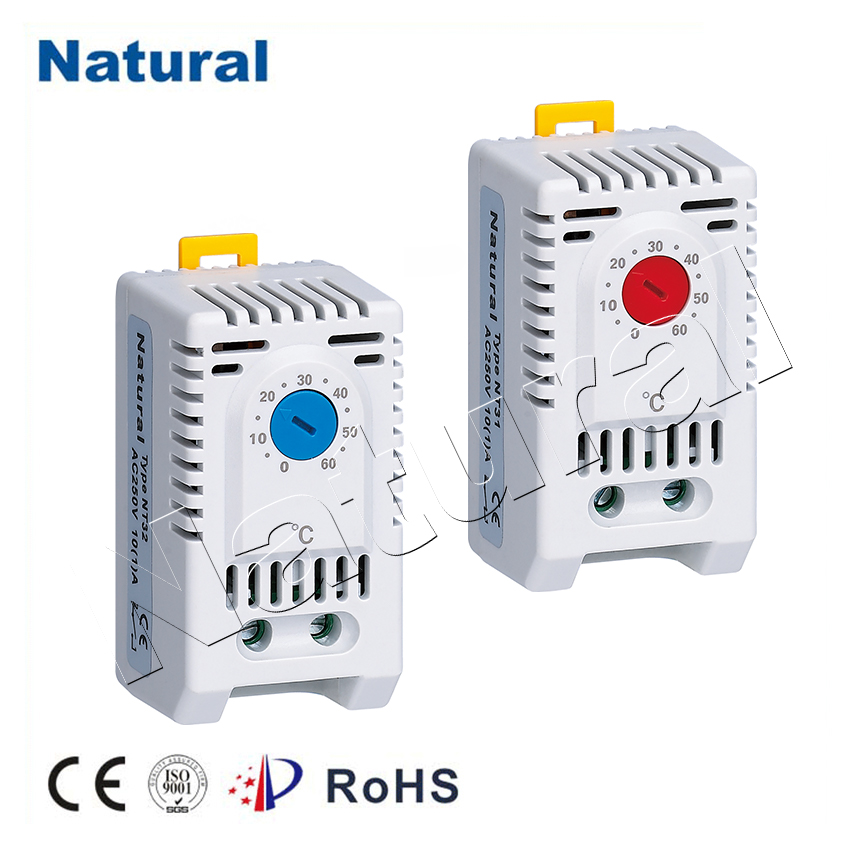
The Evolution of Thermostat Din Rails Thermostat din rails have come a long way since their inception. Originally conceived as a means to control heating and cooling systems, they have evolved into intelligent devices capable of integrating with larger home automation systems. These miniature marvels can be easily installed on standard din rails found in electrical enclosures, making them an ideal choice for both residential and commercial settings. Functionality and Features Modern thermostat din rails offer an array of features that elevate them above traditional thermostats. They boast precise temperature control, often utilizing advanced sensors to accurately measure ambient conditions. This data is then processed by embedded microprocessors, allowing for real-time adjustments and an efficient regulation of heating, cooling, or ventilation systems. Wireless connectivity is another hallmark of these devices. With the ability to connect to Wi-Fi networks, thermostat din rails enable remote control through smartphones or other smart devices. This functionality not only adds convenience but also empowers homeowners to adjust settings even when they are away from home, ultimately contributing to energy savings. Energy Efficiency One of the most significant advantages of thermostat din rails is their impact on energy efficiency. The integration of smart features, such as occupancy sensing and learning algorithms, allows these devices to adapt to the occupants’ habits and preferences. This adaptability translates into reduced energy consumption by ensuring that the heating or cooling system operates only when necessary. Furthermore, the ability to create customized schedules further enhances energy efficiency. Homeowners can program the thermostat din rail to match their daily routines, optimizing temperature settings based on specific times of the day. This level of control prevents unnecessary energy wastage, contributing not only to cost savings but also to a reduced carbon footprint. Seamless Integration Thermostat din rails shine brightest when integrated into broader smart home ecosystems. Through platforms like smart home hubs, these devices can collaborate with other appliances such as lights, blinds, and security systems. This synergy enables the creation of intricate automation routines. For example, the thermostat din rail can communicate with the home’s occupancy sensors to adjust temperatures based on whether anyone is present in the room, enhancing comfort while minimizing energy usage. Enhanced Comfort and Convenience Beyond energy savings, thermostat din rails prioritize comfort. By providing precise temperature control, homeowners can create optimal living environments tailored to their preferences. The ability to remotely control the thermostat ensures that the home is at the desired temperature upon arrival, eliminating the need for uncomfortable adjustments upon returning home. Conclusion In conclusion, the thermostat din rail represents a remarkable fusion of technology and convenience. From its humble beginnings as a temperature regulator, it has evolved into an indispensable component of modern smart homes. Through energy efficiency, seamless integration, and enhanced comfort, these devices have revolutionized the way we interact with our living spaces. As technology continues to advance, the thermostat din rail is poised to play an even more significant role in shaping the future of home automation and sustainable living.