Thermostat controllers: the unassuming devices that play a pivotal role in maintaining our indoor comfort. While often overlooked, these unobtrusive devices have undergone remarkable evolution, transforming from basic temperature adjusters to sophisticated smart systems that optimize energy usage and offer unprecedented convenience.
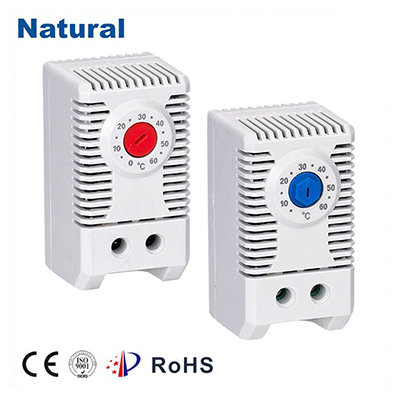
In their infancy, thermostat controllers were relatively straightforward. They allowed users to manually set the desired temperature, which the system would then strive to maintain. This early form of climate control marked a significant step forward from the days of manually adjusting furnace dampers or opening windows. However, as technology advanced, so too did the capabilities of these controllers. With the advent of digital technology, thermostat controllers shifted from mechanical dials to digital displays. This allowed for greater precision in temperature selection and often included programmable features, enabling users to schedule temperature adjustments based on their daily routines. These advancements not only improved user comfort but also paved the way for energy conservation by allowing heating and cooling systems to operate more efficiently. The next major leap forward came with the rise of smart thermostat controllers. These devices integrated with home networks, enabling remote control and automation through smartphones and other smart devices. The ability to adjust temperature settings from a distance meant that users could optimize their energy usage based on their daily activities. For instance, a smart thermostat could detect when the house was empty and adjust the temperature accordingly, reducing energy wastage. Machine learning and artificial intelligence brought about another revolution in thermostat controllers. These systems could learn from users’ preferences and adapt to their behaviors over time. By analyzing patterns in temperature adjustments, occupancy, and weather conditions, AI-powered controllers could make real-time decisions to balance comfort and energy efficiency. This level of intelligence not only increased convenience but also led to substantial energy savings, making a positive impact on both the environment and homeowners’ wallets. Furthermore, smart thermostat controllers played a crucial role in demand response programs. During peak energy usage times, utilities could remotely adjust the temperature settings of participating users, easing the strain on the electrical grid. Incentives such as reduced energy bills encouraged homeowners to take part, showcasing the potential of thermostat controllers in broader energy management strategies. One of the most notable advantages of modern thermostat controllers is their compatibility with home automation systems. Integration with platforms like Amazon Alexa, Google Assistant, and Apple HomeKit allows users to control their thermostat using voice commands. This seamless interaction between devices exemplifies the synergy achieved when various smart technologies work in harmony. As we look to the future, the evolution of thermostat controllers shows no signs of slowing down. Continued advancements in AI and machine learning will likely lead to even more sophisticated systems that can predict and anticipate users’ preferences. Enhanced sensors could provide even more accurate data, allowing for more precise adjustments and greater energy efficiency. Moreover, the integration of renewable energy sources like solar panels could result in controllers that intelligently balance traditional HVAC systems with eco-friendly alternatives. In conclusion, the journey of thermostat controllers from basic temperature adjusters to intelligent climate management systems has been nothing short of remarkable. Their evolution reflects our society’s commitment to optimizing energy usage and improving our quality of life. As these devices continue to evolve, the future holds exciting possibilities for even greater comfort, convenience, and sustainability.