Introduction
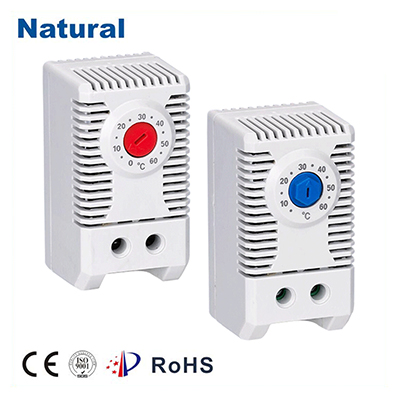
Temperature control is a critical factor in various applications, ranging from industrial processes to scientific experiments. In particular, maintaining a consistent and precise temperature is essential for the success of an incubator, where controlled environments support the growth of organisms or facilitate chemical reactions. At the heart of this temperature regulation lies the temperature control switch, a fundamental component of incubator thermostats. This article delves into the importance and functionality of temperature control switches in incubator thermostats. The Significance of Temperature Control in Incubators Incubators are essential tools in various fields, including biology, medicine, and materials science. They provide a controlled environment for cultivating microorganisms, growing cells, hatching eggs, or conducting experiments requiring specific temperature conditions. For these processes to be successful, it is imperative to maintain a stable and accurate temperature range. Fluctuations outside the desired range can lead to failed experiments, compromised results, or even loss of valuable samples. Understanding the Temperature Control Switch A temperature control switch, also known as a thermostat, is a device that senses temperature changes and activates or deactivates a heating or cooling system to maintain a set temperature. In the context of an incubator, the thermostat is responsible for ensuring that the internal temperature remains constant. The switch consists of several key components: Temperature Sensor: The sensor monitors the current temperature within the incubator. Common types of sensors include bimetallic strips, thermocouples, and resistance temperature detectors (RTDs). Setpoint: The user-defined temperature at which the incubator should be maintained. The thermostat compares the actual temperature to this setpoint and triggers the heating or cooling mechanism accordingly. Controller: The brain of the thermostat, the controller processes information from the temperature sensor and makes decisions based on the temperature deviation from the setpoint. Output: Once the controller determines that the temperature needs adjustment, it activates the appropriate output, such as turning on a heating element or cooling fan, to regulate the temperature. How Temperature Control Switches Work in Incubator Thermostats The operation of a temperature control switch involves a feedback loop that maintains the desired temperature. Here’s a simplified breakdown of the process: Sensing: The temperature sensor constantly measures the incubator’s internal temperature. Comparison: The controller compares the sensed temperature to the setpoint. Decision: If the sensed temperature deviates from the setpoint, the controller decides whether to activate the heating or cooling mechanism. Activation: The selected mechanism is activated to counteract the temperature deviation. For instance, if the temperature is below the setpoint, the heating element is turned on. Monitoring: As the mechanism operates, the temperature sensor continues to monitor the temperature until it approaches the setpoint. Deactivation: Once the sensed temperature is close to the setpoint, the controller deactivates the mechanism to prevent overshooting the target temperature. Conclusion Temperature control switches play a pivotal role in the functionality of incubator thermostats, ensuring that the desired temperature is consistently maintained. Their ability to sense, compare, and regulate temperature fluctuations is essential for successful incubation processes across various scientific and industrial applications. With advancements in technology, modern temperature control switches offer improved accuracy and responsiveness, contributing to the reliability and efficiency of incubator systems. As research and industry continue to rely on controlled environments, the importance of temperature control switches in incubator thermostats remains unwavering.