Introduction
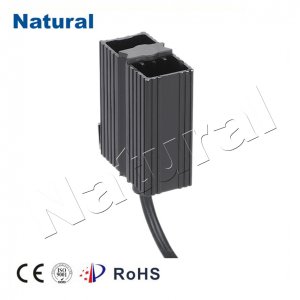
In the ever-evolving landscape of heating technology, PTC (Positive Temperature Coefficient) heater elements have emerged as a revolutionary solution, bringing efficiency, safety, and reliability to various applications. PTC heater elements utilize unique properties of certain materials to provide controlled and consistent heating, making them indispensable in modern heating systems. In this article, we will delve into the mechanics, advantages, and applications of PTC heater elements, shedding light on their transformative impact. The Science Behind PTC Heater Elements At the heart of PTC heater elements lies the remarkable phenomenon of positive temperature coefficient. Unlike traditional heating elements, PTC heaters feature materials that experience a rapid and significant increase in resistance as their temperature rises. This self-regulating behavior ensures that the heater’s temperature remains relatively stable during operation, reducing the risk of overheating and potential hazards. PTC materials, commonly ceramics, exhibit a unique crystalline structure that contributes to their PTC effect. As the temperature climbs, the crystals within the material undergo a phase transition, leading to an exponential rise in resistance. This intrinsic property allows PTC heater elements to maintain a consistent temperature without requiring external temperature controls, setting them apart from conventional heating methods. Advantages of PTC Heater Elements Energy Efficiency: PTC heater elements are designed to operate at a high efficiency level. Their self-regulating nature reduces energy consumption by automatically adjusting the power output as the desired temperature is reached. This not only saves energy but also translates to cost savings for consumers and businesses alike. Safety First: The PTC effect acts as a built-in safety mechanism. As the temperature increases, the resistance spikes, preventing the element from reaching dangerously high temperatures that could lead to fires or other safety risks. This property makes PTC heater elements an ideal choice for applications where safety is paramount. Durability and Longevity: PTC heater elements boast a longer lifespan compared to traditional heating methods. The absence of constant thermal stress during operation contributes to their extended durability, reducing maintenance needs and replacement costs. Fast and Uniform Heating: PTC heater elements offer rapid heat-up times and uniform heating across their surface. This is particularly beneficial in applications where quick and consistent temperature control is essential, such as in automotive seat heaters or industrial processes. Applications of PTC Heater Elements Home Appliances: PTC heater elements find extensive use in household appliances like hair dryers, clothes dryers, and water heaters. Their efficiency and safety features make them an attractive choice for manufacturers aiming to enhance the performance of their products. Automotive Industry: Modern vehicles integrate PTC heater elements in various systems, including defrosting mechanisms, seat heaters, and HVAC systems. The ability to generate heat quickly and uniformly ensures passenger comfort while maintaining energy efficiency. Medical Devices: PTC heater elements are utilized in medical equipment such as incubators, warming blankets, and diagnostic instruments. Precise temperature control and safety aspects are critical in these applications, making PTC elements a reliable choice. Industrial Processes: PTC heater elements play a crucial role in industrial processes that demand controlled and consistent heating, such as plastic molding, food processing, and printing. Conclusion PTC heater elements have undoubtedly transformed the heating landscape, offering a blend of energy efficiency, safety, and durability. Their ability to self-regulate temperature, coupled with their diverse applications, has positioned them as a cornerstone of modern heating technology. As industries continue to seek innovative solutions, PTC heater elements are poised to play an increasingly significant role in shaping the future of heating systems worldwide.