In today’s rapidly evolving industrial landscape, where precision and efficiency are paramount, the significance of industrial thermostats cannot be overstated. These devices play a pivotal role in maintaining optimal temperatures within various industrial processes, ensuring the quality and consistency of products. As technology advances, industrial thermostats have seen remarkable innovations that enhance their accuracy, connectivity, and adaptability, revolutionizing industries ranging from manufacturing to biotechnology.
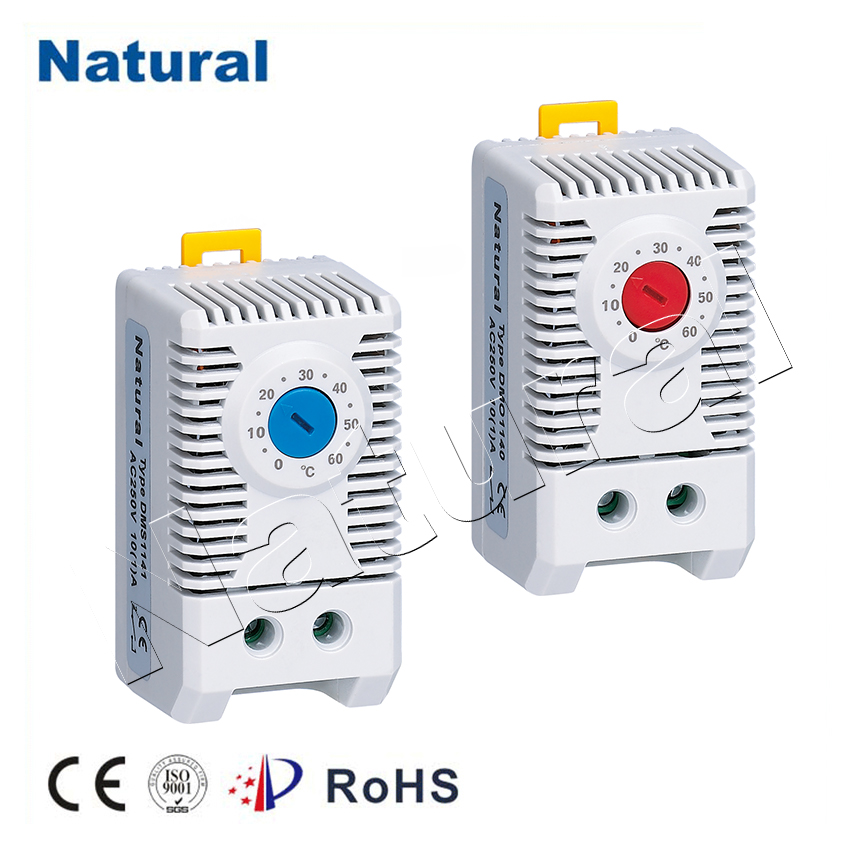
The Evolution of Industrial Thermostats The journey of industrial thermostats has come a long way from simple temperature control mechanisms to sophisticated systems that integrate advanced sensors, predictive algorithms, and connectivity features. Initially, these thermostats were manually operated, requiring constant monitoring and adjustments. However, with the advent of electronic controls, thermostats could be programmed to maintain specific temperatures automatically, reducing human intervention and improving efficiency. Precision and Accuracy Modern industrial processes demand precise temperature control to ensure consistent product quality and operational efficiency. Industrial thermostats now incorporate highly sensitive sensors that can detect even minor temperature fluctuations. These sensors are capable of sending real-time data to the control units, allowing for swift adjustments to maintain the desired temperature range. This level of precision has been particularly crucial in industries such as semiconductor manufacturing, where even a slight deviation in temperature can lead to defects. Connectivity and Remote Monitoring One of the most significant advancements in industrial thermostat technology is the incorporation of IoT (Internet of Things) capabilities. Thermostats are now equipped with wireless connectivity, enabling remote monitoring and control. This feature is invaluable for industries where processes are spread across large areas or involve hazardous environments. Engineers and operators can monitor and adjust temperatures from a centralized control room, optimizing efficiency and safety simultaneously. Adaptability and Flexibility Industries often face varying requirements depending on the product being manufactured or the process being carried out. Modern industrial thermostats are designed to be highly adaptable and versatile, catering to a wide range of applications. They can handle different temperature ranges, pressures, and even aggressive chemicals. This adaptability not only streamlines production processes but also contributes to cost savings by eliminating the need for multiple specialized systems. Energy Efficiency and Sustainability As global concerns about energy consumption and environmental impact grow, industrial thermostats have evolved to address these challenges. Newer models are designed to optimize energy usage by efficiently controlling heating and cooling systems. They can analyze historical data, predict temperature trends, and adjust settings accordingly, minimizing energy wastage. This not only reduces operational costs but also aligns with sustainability goals. Applications in Emerging Industries The innovation in industrial thermostat technology extends beyond traditional manufacturing sectors. Emerging industries such as biotechnology, pharmaceuticals, and renewable energy rely heavily on precise temperature control. For instance, in biotech research, maintaining consistent temperatures is crucial for experiments and cell cultivation. Industrial thermostats ensure that the conditions remain ideal, fostering accurate results and accelerating scientific progress. Challenges and Future Prospects Despite their advancements, industrial thermostats face challenges such as extreme environmental conditions, compatibility with legacy systems, and cybersecurity concerns. As industries continue to evolve, thermostats must adapt to meet these challenges while also embracing emerging technologies like machine learning and AI for predictive maintenance and fault detection. In conclusion, industrial thermostats have transcended their traditional role of temperature control and have become integral to modern industrial processes. The journey from manual adjustments to precision-controlled, connected systems highlights the transformative power of technology. With ongoing innovations, these devices will continue to drive efficiency, consistency, and sustainability across diverse industrial sectors, shaping the future of manufacturing and beyond.