Introduction
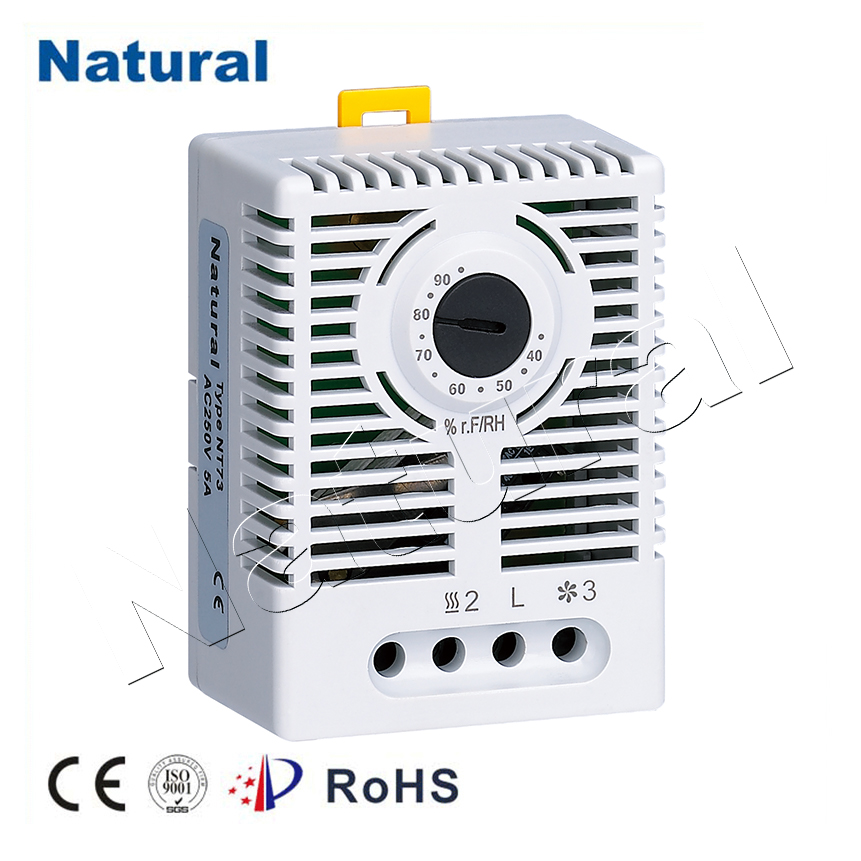
In the world of heating, ventilation, and air conditioning (HVAC) systems, precision temperature control is crucial for maintaining optimal comfort and energy efficiency. Among the many technologies employed in this field, the hysteresis thermostat stands out as an ingenious device that plays a significant role in achieving stable and efficient temperature regulation. This article delves into the concept, operation, and benefits of the hysteresis thermostat. The Concept of Hysteresis Hysteresis, in the context of thermostats, refers to the phenomenon where the system’s response lags behind the input stimulus. In simpler terms, when temperature changes, the hysteresis thermostat does not react immediately to every small fluctuation. Instead, it employs a predetermined temperature range, with a defined upper and lower limit, within which it allows the temperature to vary before taking any corrective action. How Hysteresis Thermostats Work The operation of a hysteresis thermostat can be likened to a buffer zone around the desired temperature setting. For instance, if the desired temperature is 72°F (22°C), the hysteresis thermostat might be set with a hysteresis band of ±2°F (±1°C). This means that the thermostat will activate cooling when the temperature rises to 74°F (23°C) and will deactivate cooling when the temperature falls to 70°F (21°C). Benefits of Hysteresis Thermostats Reduced Cycling: One of the primary advantages of hysteresis thermostats is that they minimize the frequency of HVAC system cycling. This reduction in on/off cycles helps prolong the lifespan of the system components and prevents unnecessary wear and tear. Energy Efficiency: Hysteresis thermostats contribute to energy savings by preventing rapid and excessive fluctuations in temperature. The wider temperature band within which the system operates allows for more gradual changes, reducing the need for frequent heating or cooling bursts. Enhanced Comfort: Hysteresis thermostats provide a more consistent indoor environment, as they avoid abrupt temperature swings. This steadier climate contributes to improved comfort for occupants, eliminating the discomfort associated with frequent temperature changes. Less Wear and Tear: By limiting the frequency of system activation, hysteresis thermostats help reduce the strain on HVAC components, leading to fewer breakdowns and repairs. This ultimately translates to cost savings and increased system reliability. Noise Reduction: The reduction in HVAC cycling not only conserves energy but also reduces the noise produced by the system. This can lead to a quieter and more peaceful indoor environment. Applications of Hysteresis Thermostats Hysteresis thermostats find applications in various settings, ranging from residential homes to commercial buildings and industrial facilities. They are commonly used in central heating and cooling systems, refrigerators, freezers, and even incubators. In industrial processes where temperature control is critical, hysteresis thermostats help maintain stable conditions, ensuring product quality and process efficiency. Conclusion The hysteresis thermostat stands as a testament to the innovation and ingenuity within the HVAC industry. By employing the concept of hysteresis, this unassuming device achieves remarkable precision and efficiency in temperature regulation. With benefits ranging from reduced energy consumption and enhanced comfort to prolonged system lifespan, the hysteresis thermostat has earned its place as an indispensable tool in modern temperature control systems. As technology continues to advance, we can expect further refinements and applications of this remarkable technology in the quest for more sustainable and comfortable living environments.