In today’s rapidly evolving world, where concerns about environmental pollution and health are paramount, ensuring clean and breathable indoor air has become more crucial than ever. As we spend a significant portion of our lives indoors, the quality of the air we breathe plays a pivotal role in our overall well-being. In this context, filter air fans have emerged as innovative and efficient solutions to mitigate indoor air pollutants and improve indoor air quality (IAQ).
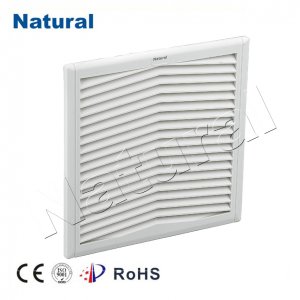
Filter air fans, also known as air purifiers or air filtration systems, are technological marvels designed to capture and eliminate a wide range of contaminants present in indoor air. These contaminants include dust particles, allergens, pet dander, pollen, mold spores, volatile organic compounds (VOCs), and even some bacteria and viruses. By utilizing a combination of physical filters, such as HEPA (High Efficiency Particulate Air) filters, activated carbon filters, and sometimes UV-C light technology, these devices can effectively remove airborne pollutants, creating a healthier and more pleasant indoor environment. One of the primary benefits of filter air fans is their ability to alleviate allergy and asthma symptoms. Allergens like dust mites and pollen are common triggers for allergies and respiratory issues. Filter air fans can capture these particles, preventing them from circulating in the air and reducing the risk of adverse health effects. For individuals with sensitivities to airborne irritants, the installation of filter air fans can offer much-needed relief, allowing them to breathe more easily and comfortably within their own homes. Moreover, filter air fans contribute to better respiratory health by reducing exposure to harmful pollutants. Particulate matter, such as fine dust and soot, has been linked to various respiratory diseases and cardiovascular problems. By incorporating HEPA filters, which are capable of trapping particles as small as 0.3 micrometers, filter air fans significantly diminish the concentration of these harmful particles, thus promoting healthier lung function and overall well-being. The benefits of filter air fans extend beyond personal health. They play a vital role in creating a pleasant living or working environment by eliminating unpleasant odors and chemicals. Activated carbon filters, commonly found in filter air fans, excel at adsorbing gases and odorous molecules, leaving the indoor space smelling fresh and clean. This is particularly beneficial in spaces where cooking, smoking, or other activities release undesirable odors. In the wake of the COVID-19 pandemic, the significance of indoor air quality has gained even more prominence. While filter air fans are not a direct substitute for other preventive measures like vaccination and mask-wearing, they can contribute to reducing the risk of viral transmission indoors. Some advanced filter air fans equipped with UV-C light technology are capable of neutralizing certain viruses and bacteria, adding an extra layer of protection to indoor spaces. However, it’s important to note that not all filter air fans are created equal. The efficiency of an air purifier depends on factors such as the type and quality of filters used, the device’s Clean Air Delivery Rate (CADR), and the size of the room it is intended for. Before purchasing a filter air fan, individuals should research and consider these factors to ensure they select a unit that suits their specific needs. In conclusion, filter air fans have emerged as essential tools in the pursuit of clean and healthy indoor environments. By effectively removing pollutants, allergens, and odors, these devices contribute to improved indoor air quality and enhanced overall well-being. As we continue to prioritize health and environmental concerns, the adoption of filter air fans stands as a proactive step toward creating safer, more comfortable indoor spaces for ourselves and our loved ones.