In the realm of modern technology and industry, electrical panels play a crucial role in ensuring the smooth operation of various systems. These panels are responsible for controlling power distribution, monitoring equipment, and safeguarding against electrical malfunctions. However, as electronic components within the panels generate heat, it becomes imperative to maintain an optimal operating temperature to prevent potential damage. This is where electrical panel fan filters come into play, offering an effective solution to enhance performance and longevity.
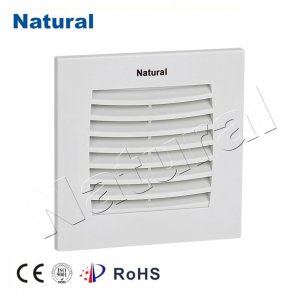
Importance of Temperature Control Electronic components tend to generate heat during their operation. If left unchecked, excessive heat can lead to reduced efficiency, shortened component lifespan, and even complete system failure. Electrical panels, being the central hub of power distribution and control, are particularly susceptible to overheating issues. To counteract this, fan systems are often employed to facilitate airflow within the panel and dissipate heat. However, the very same fans can also draw in dust, debris, and contaminants from the environment, leading to potential system clogs and further hindering effective heat dissipation. The Role of Fan Filters Enter fan filters, the unsung heroes of electrical panel maintenance. These filters are designed to allow airflow while preventing the entry of unwanted particles that can obstruct delicate components and hinder cooling. By installing fan filters, system operators can maintain a cleaner internal environment, ensuring efficient heat exchange without the risk of clogs. Benefits of Using Fan Filters Improved Component Lifespan:Fan filters prevent dust and contaminants from settling on electronic components, thus extending their operational lifespan. This translates to reduced maintenance costs and increased system uptime. Enhanced Reliability:Unrestricted airflow through fan filters helps maintain an optimal operating temperature. This, in turn, minimizes the risk of overheating-related malfunctions, reducing system downtime and potential losses. Reduced Maintenance Frequency:Regular maintenance can be time-consuming and disruptive. Fan filters significantly reduce the frequency of required maintenance, as they trap particles before they can reach critical components. Energy Efficiency:When an electrical panel’s components run at higher temperatures, they often consume more energy. By keeping the temperature within optimal ranges, fan filters can contribute to overall energy savings. Choosing the Right Fan Filter Selecting the appropriate fan filter for an electrical panel requires consideration of several factors, including the panel’s location, operating environment, and the size and type of contaminants present. Factors like airflow resistance and filtration efficiency also play a role in determining the effectiveness of the filter. Installation and Maintenance Installing fan filters is a straightforward process, typically involving attaching the filter to the intake side of the fan system. Maintenance involves periodically cleaning or replacing the filter, depending on the filter type and environmental conditions. Conclusion In the world of electronics, temperature control is paramount to ensuring the longevity and efficiency of components. Electrical panel fan filters offer a practical solution by maintaining optimal operating temperatures and safeguarding critical components from dust and debris. By incorporating fan filters into the maintenance routine, system operators can enjoy increased reliability, extended component lifespan, and reduced operational costs. As technology continues to advance, these unassuming devices will continue to play a pivotal role in sustaining the performance of electrical panels across various industries.