In the realm of modern engineering and technological marvels, certain innovations often remain hidden behind the scenes, quietly enabling various processes to unfold seamlessly. The cartridge heater, a seemingly unassuming yet immensely vital component, exemplifies this role perfectly. Let’s delve into the world of cartridge heaters, exploring their design, applications, and the invaluable role they play in a multitude of industries.
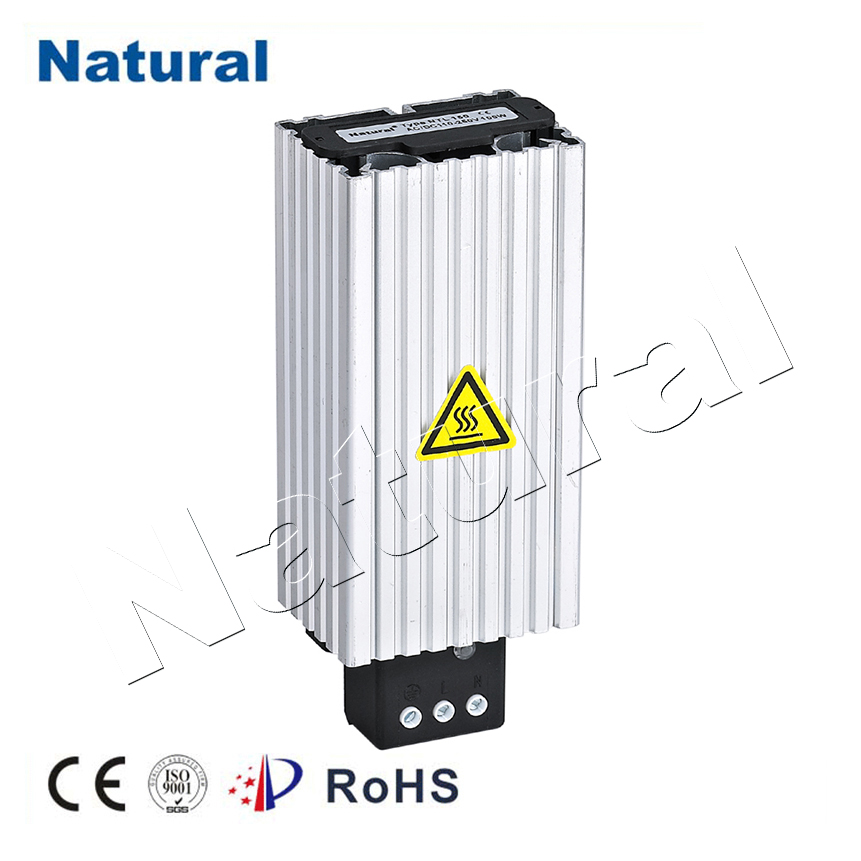
Introduction: A Glimpse into Cartridge Heaters Cartridge heaters, a type of electric heating element, have been a cornerstone of industrial and commercial applications for decades. These cylindrical devices, often resembling oversized metallic pencils, are ingeniously designed to generate heat in an efficient and controlled manner. Their compact size, versatility, and reliability have made them indispensable tools across numerous sectors. Design and Construction At the heart of the cartridge heater’s design lies a high-resistance wire, typically made from nickel-chromium or similar alloys. This wire is precisely wound around a ceramic or mineral-insulated core, which is then encased in a metal sheath. This construction not only ensures the heater’s durability and longevity but also facilitates optimal heat transfer to the surrounding environment. Applications Across Industries The applications of cartridge heaters are as diverse as they are essential. In the manufacturing sector, they are instrumental in processes such as plastic molding, die casting, and packaging. These heaters are often inserted into molds, providing uniform heat distribution and contributing to the production of high-quality components. In the medical and scientific fields, cartridge heaters find their place in equipment such as sterilization devices, incubators, and analytical instruments. Their precision and reliability ensure consistent performance, crucial for sensitive processes and experiments. Cartridge heaters are equally valued in the food industry, where they play a pivotal role in ovens, toasters, and other cooking appliances. Their ability to rapidly reach and maintain specific temperatures enhances cooking efficiency while preserving flavor and texture. Advantages and Innovations The inherent advantages of cartridge heaters are manifold. Their compact size allows for easy integration into various systems, and their swift response to changes in input power ensures rapid heating. Furthermore, advancements in design have led to the development of cartridge heaters with built-in temperature sensors and controllers, enhancing precision and automation in numerous applications. Efficiency and Sustainability Cartridge heaters contribute to energy efficiency and sustainability through their focused heat output. By directly heating specific components or areas, these heaters minimize heat wastage, reducing overall energy consumption and operating costs. This attribute aligns seamlessly with contemporary efforts towards eco-friendly and resource-efficient practices. Challenges and Future Prospects While cartridge heaters have undoubtedly evolved over the years, challenges remain. Ensuring even heat distribution and preventing overheating are ongoing concerns that drive research and innovation in this field. Researchers and engineers are exploring advanced materials, enhanced insulation, and improved control mechanisms to address these challenges and push the boundaries of cartridge heater capabilities. Conclusion: Unveiling the Unsung Heroes In conclusion, the cartridge heater, often overlooked in the grand scheme of technological wonders, stands as an unsung hero in numerous industries. Its unassuming appearance belies its significance, as it quietly and efficiently generates heat to facilitate essential processes. As we continue to push the boundaries of scientific and industrial achievements, let us not forget the invaluable contribution of the cartridge heater, a true marvel in its own right.