In recent years, the importance of indoor air quality (IAQ) has gained significant recognition as people become more aware of the impact that the air they breathe indoors can have on their health and well-being. One effective solution that has emerged to address this concern is the utilization of air filter ventilation systems. These systems play a crucial role in improving IAQ by removing pollutants and providing a continuous supply of fresh, filtered air.
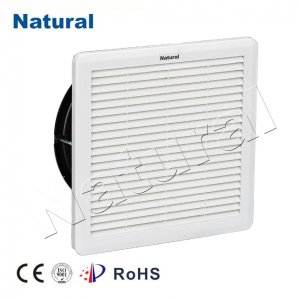
Air filter ventilation systems, often simply referred to as air filters, are designed to eliminate airborne particles, allergens, and contaminants present in indoor air. These pollutants can include dust, pet dander, pollen, mold spores, and even volatile organic compounds (VOCs) emitted by various household products. Without proper ventilation and filtration, these pollutants can accumulate and lead to a range of health issues, including allergies, respiratory problems, and exacerbation of pre-existing conditions like asthma. The mechanism behind air filter ventilation systems is relatively straightforward. The system typically consists of a fan that draws in outdoor air, passes it through a series of filters, and then distributes the filtered air throughout the indoor space. The filters used in these systems are designed to capture particles of varying sizes, ensuring that a significant portion of pollutants is removed from the air before it reaches occupants. The effectiveness of an air filter ventilation system depends on several factors, including the quality of the filters used, the system’s airflow capacity, and the size of the indoor space. High-efficiency particulate air (HEPA) filters are widely recognized as one of the most effective filter types, capable of capturing particles as small as 0.3 microns with an efficiency of up to 99.97%. These filters are particularly beneficial for individuals with allergies or respiratory sensitivities, as they significantly reduce the presence of allergens and irritants in the indoor air. In addition to their health benefits, air filter ventilation systems also contribute to overall comfort and well-being. By constantly circulating fresh air, these systems help regulate indoor humidity levels, preventing the growth of mold and mildew. They also minimize odors by removing airborne particles that can carry unpleasant scents, thus creating a more pleasant living or working environment. Installing an air filter ventilation system requires careful consideration of the specific needs of the space and its occupants. Factors such as the level of outdoor air pollution, the presence of indoor pollution sources, and the occupancy rate should all be taken into account. It’s important to choose a system with appropriate filtration capabilities to effectively address the unique air quality challenges of the environment. In recent years, technological advancements have further enhanced the capabilities of air filter ventilation systems. Smart ventilation systems, for example, can adjust their operation based on real-time IAQ measurements, ensuring optimal performance and energy efficiency. Some systems even come with mobile apps that allow users to monitor and control their indoor air quality remotely. In conclusion, air filter ventilation systems have emerged as a valuable solution for improving indoor air quality and creating healthier indoor environments. By effectively capturing and removing pollutants, allergens, and contaminants, these systems provide numerous health benefits and contribute to enhanced overall well-being. As the awareness of IAQ continues to grow, the adoption of air filter ventilation systems is likely to increase, promoting healthier living and working spaces for people around the world.