In the realm of home climate control, technological advancements continue to transform the way we manage our living spaces. One noteworthy innovation is the 24V thermostat, a device that plays a crucial role in maintaining a comfortable and energy-efficient environment within our homes. In this article, we will delve into the functionality, benefits, and potential drawbacks of 24V thermostats.
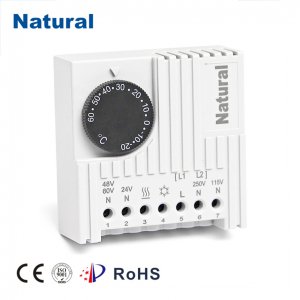
Understanding 24V Thermostats A 24V thermostat, also known as a low-voltage thermostat, operates on a lower voltage compared to traditional line-voltage thermostats. This innovation not only enhances safety but also provides greater control over temperature settings. The low-voltage system typically relies on a transformer to convert standard household voltage to the 24V required by the thermostat. Benefits of 24V Thermostats Energy Efficiency:One of the key advantages of 24V thermostats is their energy efficiency. The low-voltage system consumes less power, resulting in reduced energy costs and a smaller environmental footprint. Precision Control:24V thermostats offer precise control over temperature adjustments, allowing homeowners to maintain a consistent and comfortable indoor climate. Many of these thermostats come equipped with programmable features that enable users to set customized temperature schedules for different times of the day. Compatibility with HVAC Systems:These thermostats are compatible with a wide range of heating, ventilation, and air conditioning (HVAC) systems. This versatility ensures that homeowners can upgrade to a 24V thermostat without requiring extensive modifications to their existing infrastructure. Remote Accessibility:Many modern 24V thermostats are equipped with smart technology, enabling remote control through smartphone apps or other connected devices. This feature offers convenience and the ability to adjust settings even when away from home. Potential Drawbacks While 24V thermostats offer numerous advantages, it’s important to consider potential drawbacks: Installation Complexity:Upgrading to a 24V thermostat might involve a more complex installation process, particularly if your current system operates on a different voltage. Professional installation is recommended to ensure compatibility and proper functioning. Initial Cost:Some 24V thermostats, especially those with smart technology, might have a higher initial cost compared to traditional thermostats. However, the energy savings and enhanced comfort they provide can offset this upfront expense over time. Choosing the Right 24V Thermostat When selecting a 24V thermostat, several factors should be considered: HVAC System Compatibility:Ensure that the thermostat is compatible with your specific HVAC system, whether it’s a furnace, heat pump, or central air conditioning unit. Programmable Features:Evaluate the thermostat’s programmable capabilities, as these features contribute to energy efficiency and comfort by allowing you to customize temperature settings based on your daily routine. Smart Technology:If desired, opt for a thermostat with smart technology for remote control and advanced scheduling features. This can add convenience and flexibility to your home climate management. In conclusion, 24V thermostats offer a sophisticated solution for maintaining a comfortable indoor environment while optimizing energy consumption. With their precise control, compatibility with various HVAC systems, and potential for remote accessibility, these thermostats are a valuable addition to modern homes. While there may be some initial challenges in terms of installation and cost, the long-term benefits make 24V thermostats a worthwhile investment for enhanced comfort and energy savings.