In the realm of technological advancements, one often encounters ingenious solutions that seamlessly integrate functionality, efficiency, and sustainability. The filter fan, an unassuming yet essential component in various industries, embodies these qualities in a remarkable manner. With a capacity to regulate airflows while maintaining optimal conditions, filter fans are the unsung heroes contributing to both productivity and environmental consciousness.
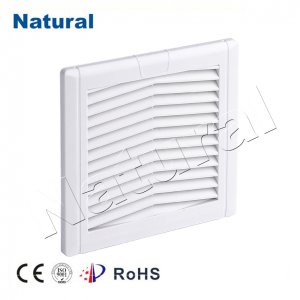
Filter fans, commonly found in electronics, manufacturing, and automotive sectors, play a pivotal role in maintaining controlled environments. Their primary function is to circulate air and filter out unwanted particles, thus preventing the accumulation of dust, debris, and heat within enclosed spaces. This mechanism not only safeguards sensitive equipment from potential damage but also ensures a conducive atmosphere for employees and processes. One of the standout features of filter fans is their ability to enhance energy efficiency. By constantly monitoring and adjusting airflows, these devices optimize temperature regulation, minimizing the workload on air conditioning systems. This, in turn, results in reduced energy consumption, contributing to a company’s bottom line while lessening its carbon footprint. As global discussions surrounding environmental impact gain momentum, filter fans emerge as a practical and eco-conscious choice. The integration of technology into filter fan design has propelled their effectiveness to new heights. Modern filter fans are equipped with sensors that detect changes in temperature and air quality, allowing them to adapt in real-time. When cooling is required, the fans kick into action, preventing overheating and ensuring consistent performance. Conversely, during colder periods, these intelligent devices can dial down their operation, conserving energy without compromising on functionality. Industries have begun recognizing the significance of sustainable practices, and filter fans have stepped up to meet these demands. The construction of filter fans using recyclable materials and their energy-efficient operations align with the principles of sustainable manufacturing. Manufacturers are increasingly investing in research and development to create filter fans that are not only long-lasting but also easily recyclable, reducing electronic waste and extending the product’s lifecycle. In the automotive sector, filter fans have become integral components for electric vehicles (EVs). These vehicles rely heavily on battery performance, which can be significantly affected by high temperatures. Filter fans assist in maintaining optimal temperatures within the battery compartments, thus enhancing their efficiency and extending their lifespan. With the growing emphasis on EVs as a means to combat climate change, the role of filter fans in supporting this transition cannot be understated. In conclusion, the unassuming filter fan has evolved from a mere functional component to a critical player in modern industries. Its ability to regulate airflows, enhance energy efficiency, and promote sustainability has earned it a well-deserved place in the technological landscape. As industries continue to embrace eco-friendly practices, filter fans stand as a testament to innovation’s potential in fostering both productivity and environmental consciousness.