In recent years, the importance of maintaining a healthy indoor environment has gained significant attention. With people spending more time indoors, whether at home, in offices, or other enclosed spaces, the quality of the air we breathe has a direct impact on our well-being. One key technology that has emerged to address this concern is the use of Fan Air Systems equipped with HEPA filters.
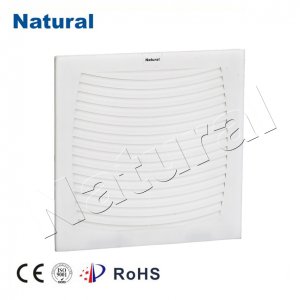
Fan Air Systems and Their Role in Ventilation: Fan Air Systems play a crucial role in providing adequate ventilation to enclosed spaces. They facilitate the exchange of indoor and outdoor air, thereby preventing the accumulation of pollutants and maintaining a fresh and healthy atmosphere. These systems typically consist of fans that draw in outdoor air and expel indoor air, creating a continuous flow that refreshes the indoor environment. Understanding HEPA Filters: HEPA, which stands for High Efficiency Particulate Air, filters are at the heart of this ventilation technology. HEPA filters are designed to trap particles as small as 0.3 micrometers in diameter, including dust, pollen, pet dander, smoke, and even microorganisms like bacteria and viruses. Their exceptional efficiency in capturing such tiny particles makes them a valuable tool in enhancing indoor air quality. The Synergy of Fan Air Systems and HEPA Filters: When Fan Air Systems are combined with HEPA filters, the result is a formidable solution for maintaining a healthy indoor environment. As the fan draws in outdoor air, the HEPA filter acts as a barrier, capturing a significant portion of airborne particles that could otherwise circulate indoors and pose health risks. This combination effectively reduces the concentration of pollutants and allergens, contributing to improved indoor air quality. Benefits of HEPA Filter-equipped Fan Air Systems: Allergen Reduction:HEPA filters are particularly effective at removing allergens, such as pollen, mold spores, and pet dander, from the air. This is of immense benefit to individuals who suffer from allergies or respiratory conditions like asthma. Microorganism Control:The ability of HEPA filters to capture microorganisms makes them instrumental in reducing the spread of bacteria and viruses, contributing to a healthier indoor environment, especially during flu seasons or disease outbreaks. Odor and Smoke Removal:HEPA filters can also trap odorous particles and smoke, helping to eliminate unpleasant smells and preventing the lingering of secondhand smoke indoors. Improved Respiratory Health:The combination of efficient ventilation and HEPA filtration creates an environment that supports respiratory health. Cleaner air can lead to reduced instances of respiratory discomfort and improved overall well-being. Considerations and Maintenance: While HEPA filter-equipped Fan Air Systems offer significant advantages, it’s important to note that regular maintenance is essential to ensure their effectiveness. HEPA filters need to be replaced according to the manufacturer’s recommendations to prevent clogging and maintain optimal filtration efficiency. Conclusion: In a world where indoor air quality is a growing concern, the integration of HEPA filters with Fan Air Systems emerges as a practical and effective solution. By reducing allergens, microorganisms, and pollutants, this technology contributes to healthier living and improved well-being. Whether in residential spaces, commercial buildings, or healthcare facilities, the combined power of Fan Air Systems and HEPA filters stands as a testament to human innovation striving to create a safer and more comfortable indoor environment.