In the ever-evolving landscape of technological advancements, the control panel thermostat stands as a remarkable innovation that has significantly transformed the way we manage our indoor environments. With its ability to regulate temperature settings efficiently and provide users with unprecedented control over their surroundings, the control panel thermostat has become an indispensable component of modern living.
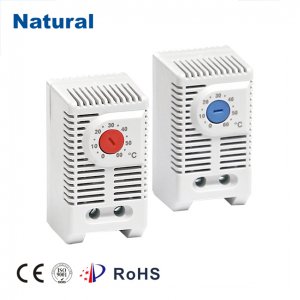
Evolution of Temperature Regulation: Before the advent of control panel thermostats, temperature regulation was a relatively manual and imprecise endeavor. People had to manually adjust heating or cooling systems, often leading to temperature fluctuations and energy wastage. However, with the introduction of the control panel thermostat, this paradigm shifted dramatically. Precision and Efficiency: One of the key advantages of control panel thermostats is their precision in maintaining the desired temperature. Equipped with advanced sensors and algorithms, these thermostats can detect even slight variations in temperature and respond swiftly to correct them. This not only ensures a more comfortable environment but also contributes to energy conservation by preventing unnecessary temperature overshoots or fluctuations. Customization and User-Friendly Interface: Modern control panel thermostats offer users an unprecedented level of customization. With intuitive interfaces and user-friendly controls, individuals can easily program their preferred temperature settings based on different times of the day or specific days of the week. This level of flexibility empowers users to create tailored schedules that align with their routines, optimizing comfort while minimizing energy consumption. Remote Accessibility: The integration of smart technology has further elevated the capabilities of control panel thermostats. Through smartphone apps or web interfaces, users can remotely monitor and adjust their thermostat settings. This proves invaluable for individuals who travel frequently or those looking to make real-time adjustments while away from home. By ensuring that spaces are adequately heated or cooled only when needed, remote accessibility contributes to energy efficiency. Energy Efficiency and Cost Savings: Control panel thermostats have a significant impact on reducing energy consumption and lowering utility bills. The ability to program temperature setbacks during periods of low occupancy, such as when individuals are at work or asleep, prevents unnecessary energy usage. Over time, these small adjustments can result in substantial cost savings while also benefiting the environment by reducing carbon emissions. Integration with Home Automation: The control panel thermostat serves as a vital component within the broader ecosystem of home automation. It can seamlessly integrate with other smart devices, such as lighting systems and smart blinds, to create a holistic and energy-efficient living environment. For instance, the thermostat can adjust the temperature based on inputs from occupancy sensors, further optimizing energy usage. Challenges and Considerations: While control panel thermostats offer numerous advantages, there are challenges that come with their implementation. Ensuring compatibility with existing heating, ventilation, and air conditioning (HVAC) systems can be a concern. Additionally, user privacy and data security must be prioritized, especially given the interconnected nature of smart home devices. The Future of Temperature Regulation: As technology continues to advance, the control panel thermostat is poised to become even more sophisticated and integrated. The incorporation of artificial intelligence and machine learning algorithms could enable thermostats to learn from users’ preferences and habits, optimizing temperature control without requiring manual adjustments. Moreover, advancements in energy storage and renewable energy sources may further enhance the sustainability of control panel thermostat systems. In Conclusion: The control panel thermostat has revolutionized the way we regulate indoor temperatures, offering precision, efficiency, and user-friendliness. With its ability to provide customization, remote accessibility, and energy savings, it has become an integral part of modern living. As technology advances, we can expect these thermostats to continue evolving, shaping a more comfortable and sustainable future.