Introduction
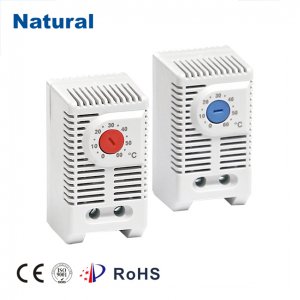
In today’s world, precise temperature control is essential in various industries and applications. Bimetal thermostat thermal protectors have emerged as indispensable devices that play a pivotal role in maintaining temperature stability. This article delves into the workings of these innovative devices and their significance across diverse sectors. The Mechanism Behind Bimetal Thermostat Thermal Protectors Bimetal thermostat thermal protectors are ingenious devices that utilize the properties of two different metals to control temperature. Typically constructed using two strips of metals with different coefficients of thermal expansion, these protectors are designed to bend or deform when exposed to specific temperatures. When heated, the metal with the higher coefficient of thermal expansion expands more than the other, causing the strip to bend. This bending action triggers the switch of the device, either opening or closing an electrical circuit, which in turn controls the temperature. Applications Across Industries Home Appliances: Bimetal thermostat thermal protectors are commonly found in household appliances like irons, toasters, and coffee makers. They ensure that these appliances do not overheat, preventing potential hazards. HVAC Systems: Heating, ventilation, and air conditioning (HVAC) systems rely on bimetal thermostat thermal protectors to regulate temperatures within a desired range. These protectors help prevent damage due to overheating, contributing to system longevity. Automotive: In the automotive industry, these protectors are integrated into vehicles to prevent engine overheating and safeguard components like cooling fans and compressors. Electronics: From laptops to battery chargers, bimetal thermostat thermal protectors prevent electronic devices from becoming too hot during operation, thereby reducing the risk of malfunctions or fires. Industrial Processes: Industries such as manufacturing and food processing utilize these protectors to maintain optimal temperatures during production, ensuring quality and safety. Advantages of Bimetal Thermostat Thermal Protectors Reliability: Bimetal thermostat thermal protectors offer consistent performance over time due to their mechanical operation, making them highly reliable for temperature control. Cost-Effectiveness: These devices are cost-effective solutions for maintaining temperature stability, which is crucial for the longevity and efficiency of various systems. Safety: By preventing overheating, these protectors enhance safety by minimizing the risk of fires, equipment damage, and potential harm to users. Simplicity: The mechanical design of bimetal thermostat thermal protectors is straightforward, contributing to their ease of installation and maintenance. Future Innovations While bimetal thermostat thermal protectors have been widely adopted, ongoing research and development continue to enhance their capabilities. Researchers are exploring ways to make these protectors more sensitive and responsive to temperature changes, allowing for even finer control in diverse applications. Furthermore, advancements in materials science might lead to the creation of protectors that can operate in extreme conditions, expanding their usage to new frontiers. Conclusion Bimetal thermostat thermal protectors have undoubtedly transformed temperature control across a multitude of industries. Their ingenious mechanism, coupled with their reliability and cost-effectiveness, make them essential components in modern appliances, systems, and processes. As technology continues to evolve, these protectors are likely to become even more efficient and versatile, ensuring safer and more efficient operations in an increasingly temperature-sensitive world.