Industrial Pneumatic Lockouts are essential safety devices designed to prevent accidental or unintended activation of pneumatic systems during maintenance, repair, or servicing. Pneumatic systems, which use compressed air to power machinery and equipment, are integral to many industrial applications. These systems, however, pose significant risks if they are not properly managed during servicing, as unintended operation could lead to serious accidents or even fatalities. Industrial Pneumatic Lockouts offer a reliable solution to mitigate these risks, providing both mechanical and procedural control over pneumatic equipment.
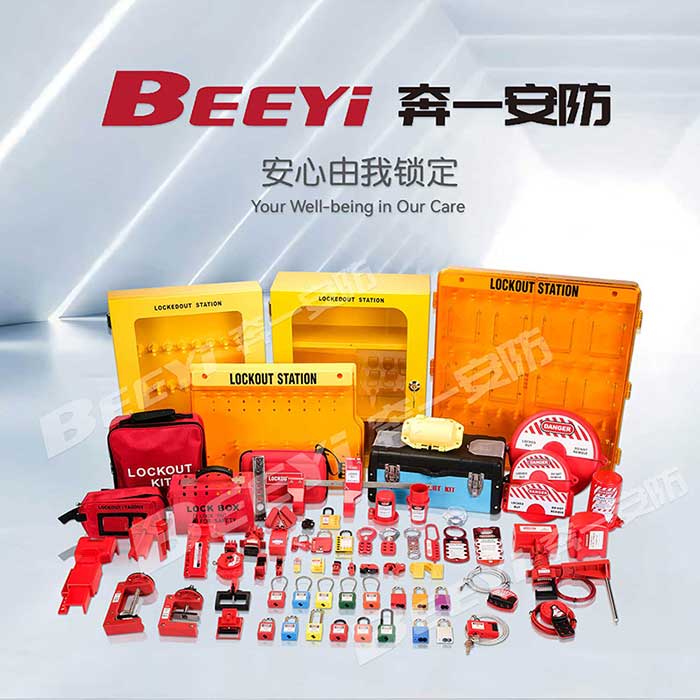
The Importance of Industrial Pneumatic Lockouts In any industrial setting, safety is paramount. Pneumatic systems, by their nature, can be hazardous. The high pressure at which air is stored and used can cause powerful forces that, if improperly managed, could result in dangerous situations. For example, an unintended release of compressed air could cause moving parts to act unexpectedly, leading to injuries or equipment damage. Industrial Pneumatic Lockouts are crucial for preventing such accidents. They are part of a broader category of lockout/tagout (LOTO) safety procedures, which aim to ensure that machines or energy sources are fully isolated during maintenance work. Lockout devices, such as pneumatic lockouts, physically prevent the release of stored energy (in this case, compressed air) by locking valves or air lines. This procedure ensures that maintenance personnel are not exposed to hazards while working on equipment.
Leave a Reply