Lock out equipment plays a crucial role in maintaining safety within various industrial environments. In workplaces where machinery is prevalent, such as manufacturing plants, construction sites, and maintenance facilities, the potential for accidents is significant if proper safety measures are not implemented. Lock out/tag out (LOTO) procedures are essential in protecting workers from the unexpected energization or startup of machinery during maintenance or repair. This article delves into the components, procedures, and importance of lock out equipment in safeguarding employee health and safety.
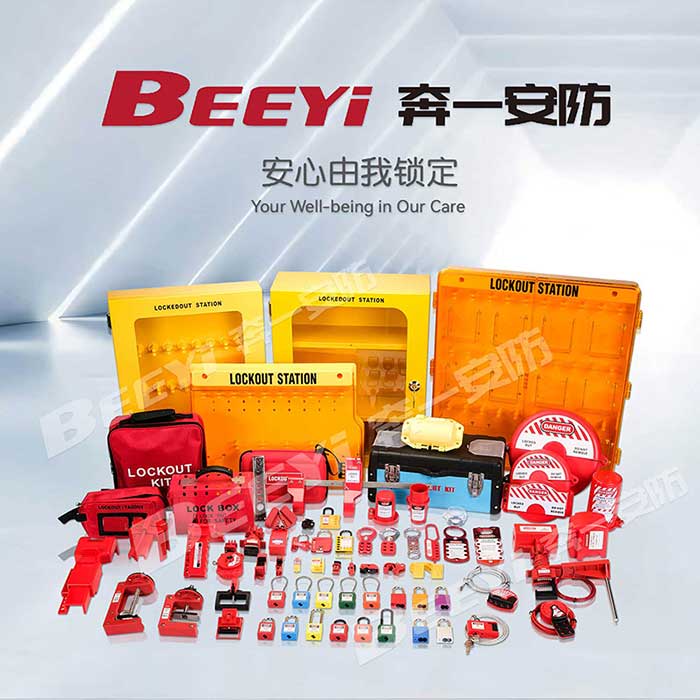
At its core, lock out equipment refers to tools and devices designed to prevent machinery from being accidentally activated or released while repairs or maintenance are being conducted. The primary purpose of this equipment is to ensure that energy sources—whether electrical, mechanical, hydraulic, or pneumatic—are securely isolated from the equipment being serviced. By employing lock out equipment, technicians and maintenance personnel can perform their tasks with confidence, knowing that they are protected from possible hazards. Components of Lock Out Equipment Lockout Devices: These are the primary tools used to physically lock energy-isolating devices. Lockout devices come in various forms, including padlocks, lockout hasps, and valve lockouts. Each device is specifically designed to prevent an energy source from being activated or released inadvertently.
Leave a Reply