The WCB Pneumatic Butterfly Valve is a significant component in various industrial applications, primarily used for regulating the flow of liquids and gases. Its design and functionality make it a popular choice among engineers and plant operators, especially in industries like water treatment, oil and gas, and chemical processing. This article delves into the specifics of the WCB Pneumatic Butterfly Valve, exploring its design, operation, benefits, and applications.
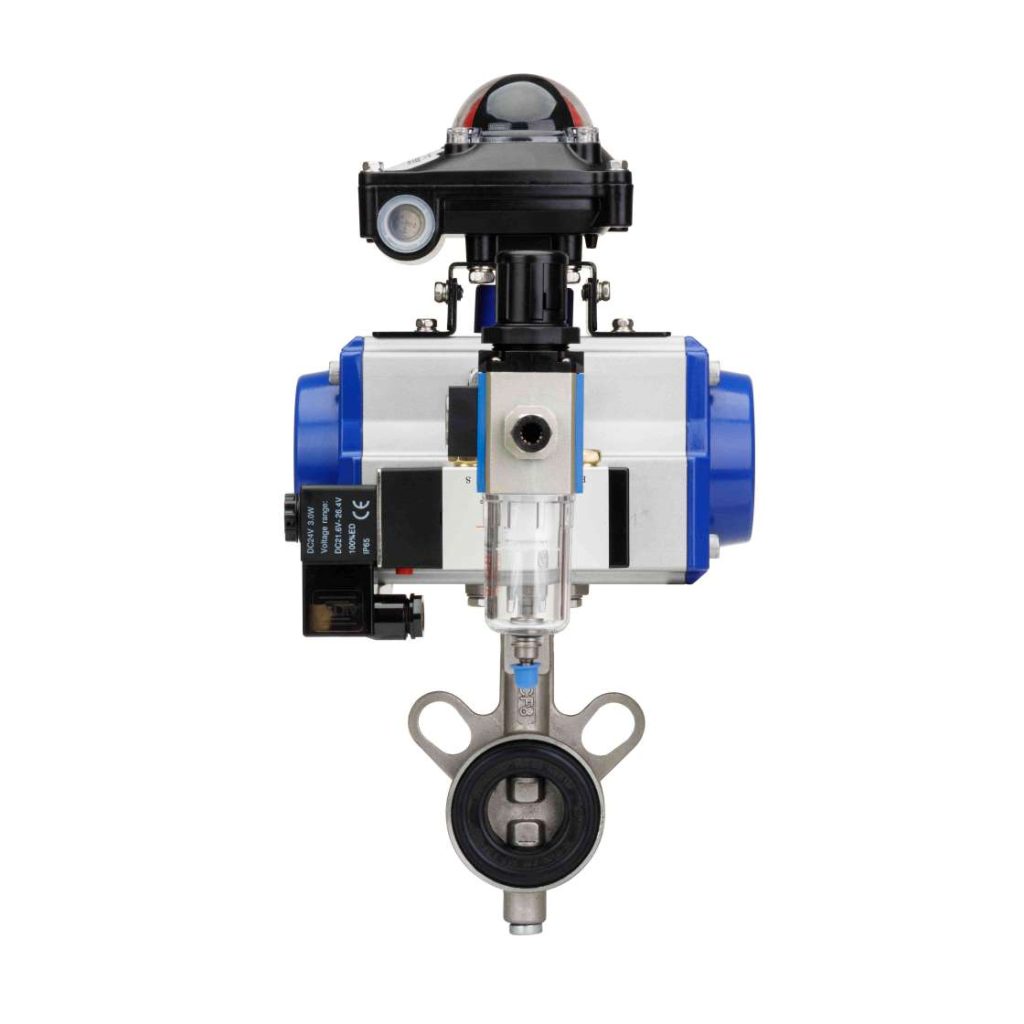
What is a WCB Pneumatic Butterfly Valve?
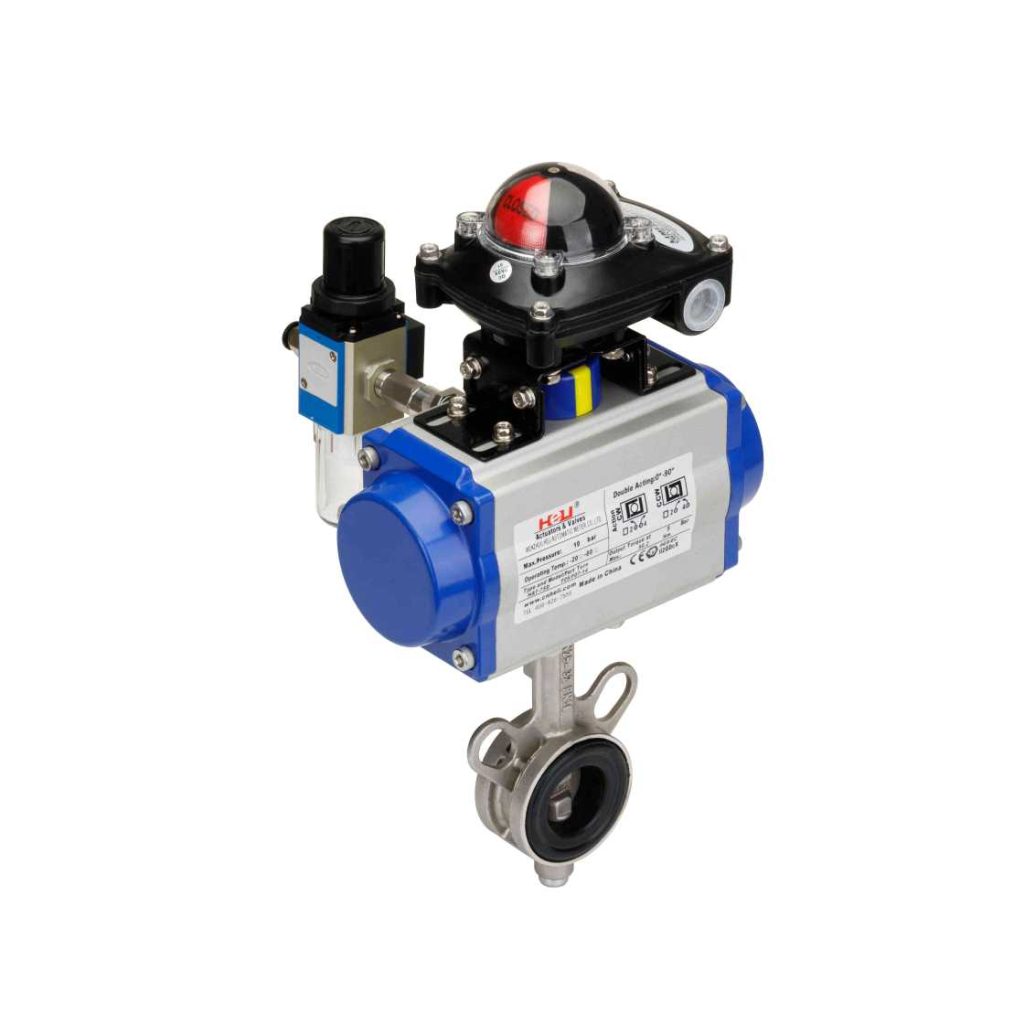
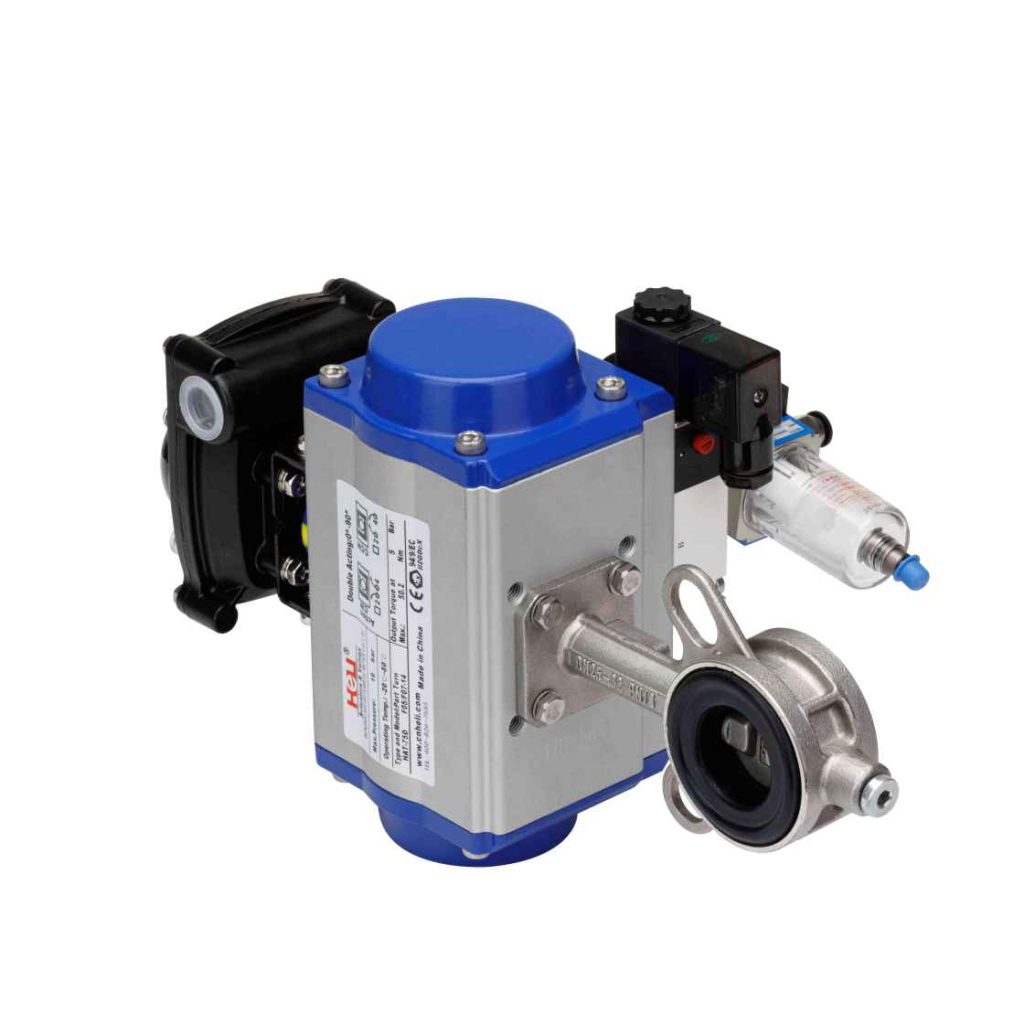
The WCB Pneumatic Butterfly Valve is constructed from WCB (Wrought Carbon Steel), a material known for its durability and strength. The valve features a circular body with a rotating disc or “butterfly” that pivots on a shaft. This disc is the primary control mechanism and regulates fluid flow by either blocking or allowing passage through the valve when it rotates from a closed to an open position. How Does It Work? The operational mechanism of the WCB Pneumatic Butterfly Valve involves a pneumatic actuator that controls the opening and closing of the valve. The actuator is powered by compressed air, which can be actuated using an electric signal or manual control. When the actuator receives a signal, it pushes or pulls the valve shaft, rotating the disc to either open or close the flow path.
Leave a Reply