In the rapidly evolving landscape of industrial safety, hazardous area intrinsically safe tactical solutions have become a crucial aspect of ensuring the well-being of workers and the integrity of operations. China, with its vast industrial sector, has been at the forefront of adopting and innovating in this field. This article delves into the intricacies of hazardous area intrinsically safe tactical solutions in China, exploring their significance, challenges, and future prospects.
**The Significance of Hazardous Area Intrinsically Safe Tactical Solutions**
Hazardous areas, characterized by the presence of flammable gases, vapors, or dust, pose significant risks to both human life and industrial processes. In such environments, traditional electrical equipment can pose a fire or explosion hazard. This is where intrinsically safe (IS) equipment comes into play. Intrinsically safe equipment is designed to prevent the release of sufficient energy to ignite an explosive atmosphere under all normal and abnormal conditions.
In China, the adoption of hazardous area intrinsically safe tactical solutions is not just a regulatory requirement but a strategic imperative. The country’s industrial sector, which includes petrochemicals, mining, and manufacturing, heavily relies on these solutions to ensure safety and compliance with international standards.
**Challenges in Implementing Hazardous Area Intrinsically Safe Tactical Solutions**
Despite the evident benefits, implementing hazardous area intrinsically safe tactical solutions in China comes with its own set of challenges. One of the primary challenges is the complexity of these systems. Designing and installing intrinsically safe equipment requires a deep understanding of the hazardous environment and the specific requirements of the application.
Another challenge is the cost. Intrinsically safe equipment is generally more expensive than conventional equipment. This cost can be a barrier, especially for small and medium-sized enterprises (SMEs) that operate in hazardous areas.
Moreover, the lack of standardized regulations and guidelines can lead to inconsistencies in the implementation of hazardous area intrinsically safe tactical solutions. This not only poses a risk but also creates a regulatory headache for businesses.
**Innovations and Advancements in China’s Hazardous Area Intrinsically Safe Tactical Solutions**
Despite these challenges, China has made significant strides in the development and adoption of hazardous area intrinsically safe tactical solutions. The country has been investing heavily in research and development to innovate and improve the performance and cost-effectiveness of intrinsically safe equipment.
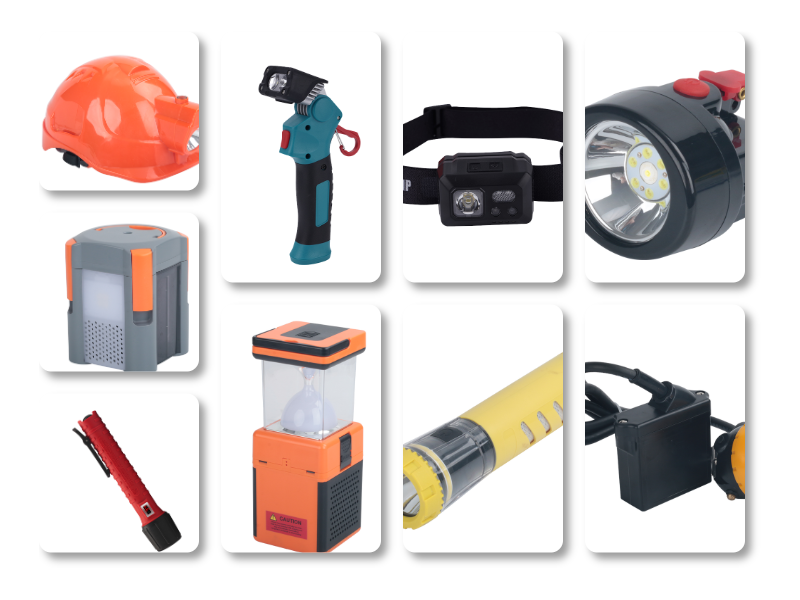
Several Chinese companies have emerged as leaders in this field, offering a wide range of intrinsically safe products and solutions. These companies are not only catering to the domestic market but are also exporting their products globally.
**The Future of Hazardous Area Intrinsically Safe Tactical Solutions in China**
The future of hazardous area intrinsically safe tactical solutions in China looks promising. With the increasing emphasis on safety and environmental protection, the demand for these solutions is expected to grow. Additionally, advancements in technology are likely to make intrinsically safe equipment more efficient, reliable, and cost-effective.
Furthermore, the Chinese government’s push for industrial upgrading and the adoption of smart manufacturing technologies are expected to further boost the demand for hazardous area intrinsically safe tactical solutions.
In conclusion, hazardous area intrinsically safe tactical solutions play a vital role in ensuring safety in China’s industrial sector. While challenges remain, the country’s commitment to innovation and safety is likely to pave the way for a safer and more efficient future.
Leave a Reply