Electrical systems, particularly in high-voltage and high-power environments, are prone to the occurrence of electrical arcs. These arcs can cause serious damage to equipment and pose a significant risk of fire hazards. To mitigate these dangers, engineers have developed various arc-extinguishing technologies, and one of the most innovative solutions is the Hydrogen Gas Arc Extinguishing Relay. This advanced relay system uses hydrogen gas as an arc-extinguishing medium, providing a highly effective way to control and eliminate dangerous arcs in electrical circuits. In this article, we explore how this relay works, its benefits, and its applications in modern electrical systems.
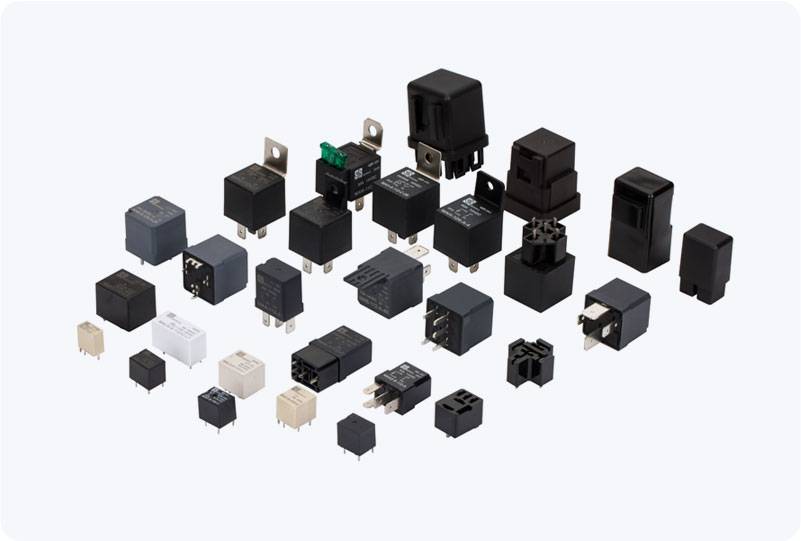
Understanding the Hydrogen Gas Arc Extinguishing Relay At its core, the Hydrogen Gas Arc Extinguishing Relay is a device designed to protect electrical systems by swiftly extinguishing arcs formed during fault conditions, such as short circuits or overloads. These arcs, if not controlled, can cause severe damage to electrical components, lead to system failures, and even result in fires. The relay uses hydrogen gas, a highly effective medium for cooling and quenching the arc. How It Works When a short circuit or overload occurs, an electrical arc is formed between the contacts of a switch or relay. The intense heat generated by the arc can cause significant damage to the equipment and may result in a system failure. To combat this, the Hydrogen Gas Arc Extinguishing Relay is equipped with a chamber filled with hydrogen gas.
Leave a Reply