A Low Voltage Solenoid Valve is a type of electromechanical device that plays a crucial role in regulating the flow of fluids or gases in various industrial and commercial applications. Using an electromagnetic coil to control the opening and closing of a valve, these devices offer an efficient and precise means of controlling fluid dynamics in automation systems. As the name suggests, low voltage solenoid valves operate on lower electrical voltages, often 24V DC or AC, making them suitable for systems where energy efficiency and electrical safety are paramount.
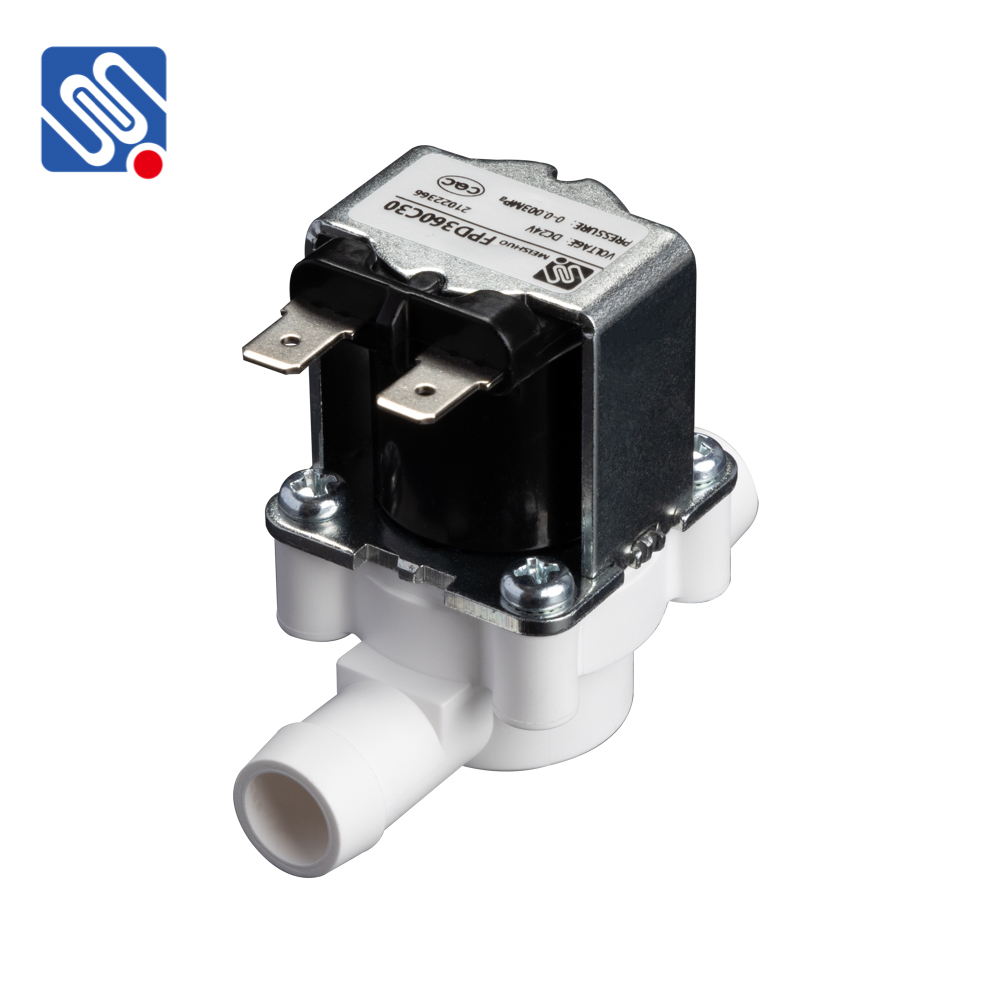
Working Principle of Low Voltage Solenoid Valve The operation of a solenoid valve relies on the interaction between an electrical current and a magnetic field. When an electric current flows through the solenoid (the electromagnetic coil), it generates a magnetic field that activates a metal plunger or armature. This armature moves either to open or close the valve, controlling the flow of fluid or gas through the system. When the power supply is switched on, the solenoid coil creates a magnetic field that moves the valve’s internal plunger, either opening or closing the valve. The valve remains in its new state until the current is turned off, causing the magnetic field to collapse and allowing the valve to return to its original position, typically using a spring or pressure difference.
Leave a Reply