Relay stability is a critical concept in the field of control systems, electrical engineering, and automation. As systems increasingly rely on electromechanical devices for control and switching functions, understanding the factors that influence stability has become essential. This article delves into the principles of relay stability, exploring the challenges it poses, methods for analysis, and strategies for improvement.
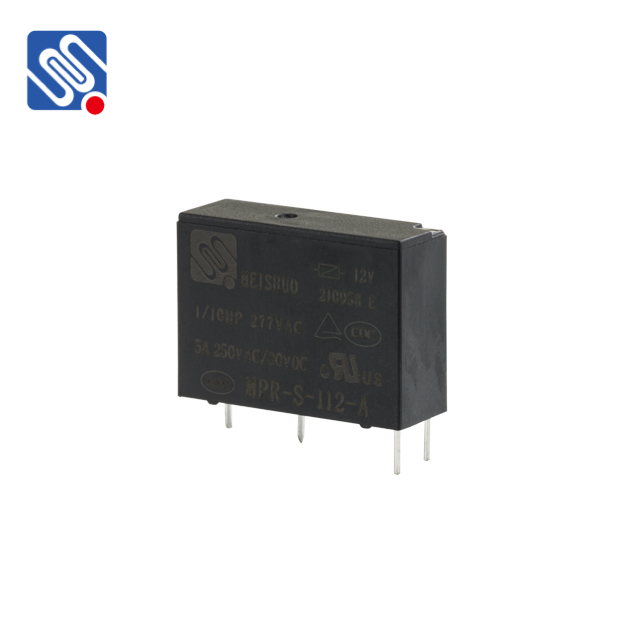
At the core of relay stability lies the functioning of the relay itself. A relay acts as an electrical switch that opens or closes a circuit based on the electromagnetic force generated when a current flows through its coil. The switching action involves a physical movement of the contacts, leading to a distinct on-off behavior. Unlike linear control systems, relays introduce non-linear characteristics, primarily due to their hysteresis and dead zone effects. These features can significantly impact the stability of the entire control system. One of the principal challenges in ensuring relay stability is the dead zone effect. A dead zone refers to the range of input values for which the output remains unchanged. In a relay system, this means that small fluctuations in the input signal may not trigger a corresponding change in the output, causing the system to behave unpredictably. For example, consider a temperature control system using a relay to turn on or off a heating element. If the temperature oscillates within the dead zone, the heating element may continuously switch on and off, leading to excessive wear and inefficient operation.
Leave a Reply