In industrial environments, safety is paramount. One crucial aspect of maintaining a safe workplace is ensuring the proper use of Lockout/Tagout (LOTO) equipment. This equipment plays a vital role in the control of hazardous energy during maintenance and servicing jobs, providing a way to isolate energy sources and prevent accidental start-up of machines. In this article, we’ll explore what LOTO equipment entails, its significance, the types available, and best practices for its implementation.
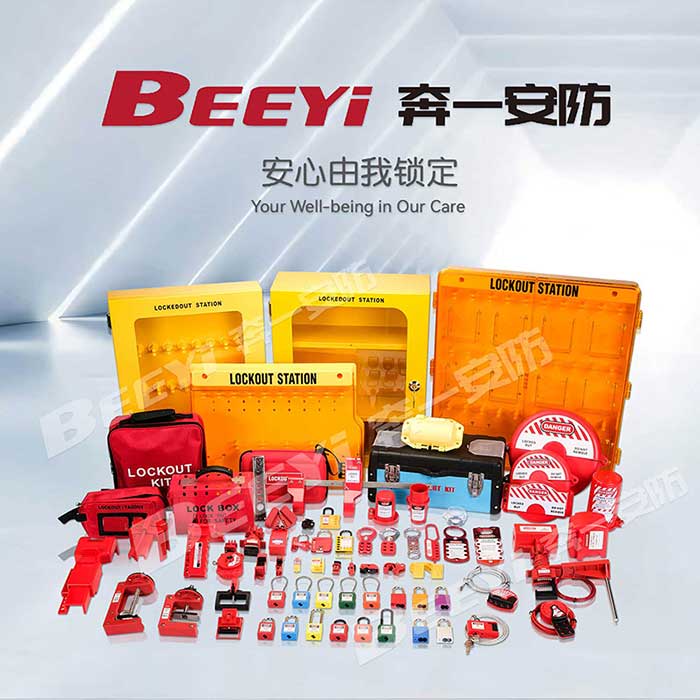
What is LOTO Equipment? Lockout/Tagout equipment encompasses a range of devices used to secure machines and energy sources during maintenance or repair processes. The primary function of LOTO equipment is to prevent unexpected energization, startup, or release of stored energy that could result in injury. According to the Occupational Safety and Health Administration (OSHA), the proper application of LOTO procedures can significantly reduce the risk of workplace accidents and injuries. Importance of LOTO Procedures The importance of LOTO procedures cannot be overstated. During maintenance operations, machinery could unknowingly engage or release hazardous energy, leading to potentially fatal incidents. LOTO equipment serves as a safeguard against these hazards by enabling workers to lock out energy sources, thereby mitigating the risk of accidental machine start-ups. The implementation of LOTO procedures emphasizes the company’s commitment to worker safety, reflects a culture of health and safety, and is often a regulatory requirement in many regions.
Leave a Reply