Relays have become integral components in modern electrical and automation systems, enabling the control of high-power devices using low-power signals. Among the various types of relays available, the Relay 24V stands out due to its widespread usage in both industrial and commercial applications. This article explores the working principles, advantages, and diverse applications of the Relay 24V, highlighting its relevance in today’s technology-driven world.
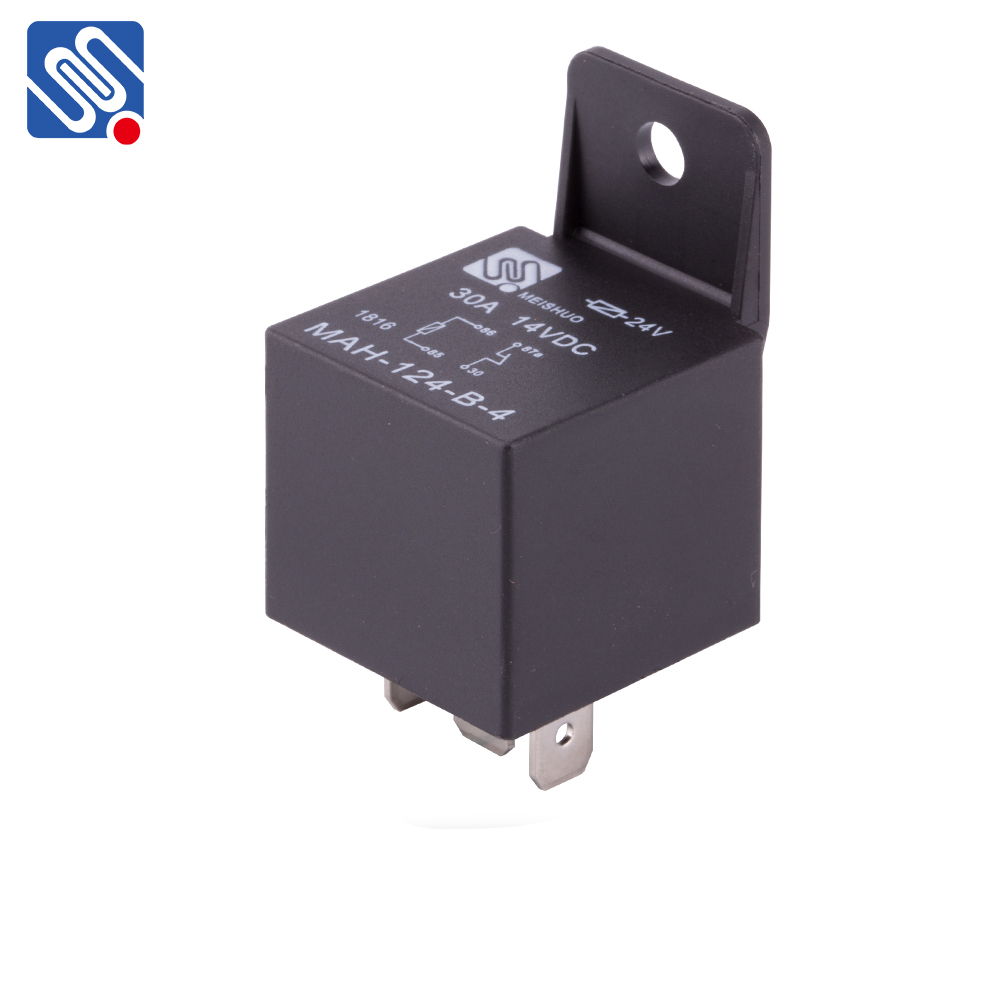
What is a Relay 24V? A relay is essentially an electromagnetic switch used to control the flow of electricity in a circuit. It consists of a coil, an armature, and a set of contacts. When current flows through the coil, it generates a magnetic field that moves the armature, thereby opening or closing the contacts. This action allows the relay to switch on or off devices that require more current than the control circuit can handle. A Relay 24V is simply a relay designed to operate at a voltage of 24 volts, either in direct current (DC) or alternating current (AC) form. These relays are often used in industrial applications, automation systems, and control panels where 24V is the standard operating voltage. The choice of 24V is based on its compatibility with various power sources, such as batteries or power supplies, and its ability to provide a safe and stable control voltage.
Leave a Reply