In any industrial or manufacturing setting, ensuring the safety of workers during maintenance or repair work is of paramount importance. One of the key components of this safety protocol is the lockout/tagout procedure, which is designed to prevent the accidental release of hazardous energy while workers perform their tasks. A critical part of this process is the use of a Lockout Bag, a tool that plays a vital role in securely storing lockout devices, keys, and tags during equipment maintenance. This guide will explain the installation, use, and best practices associated with Lockout Bags.
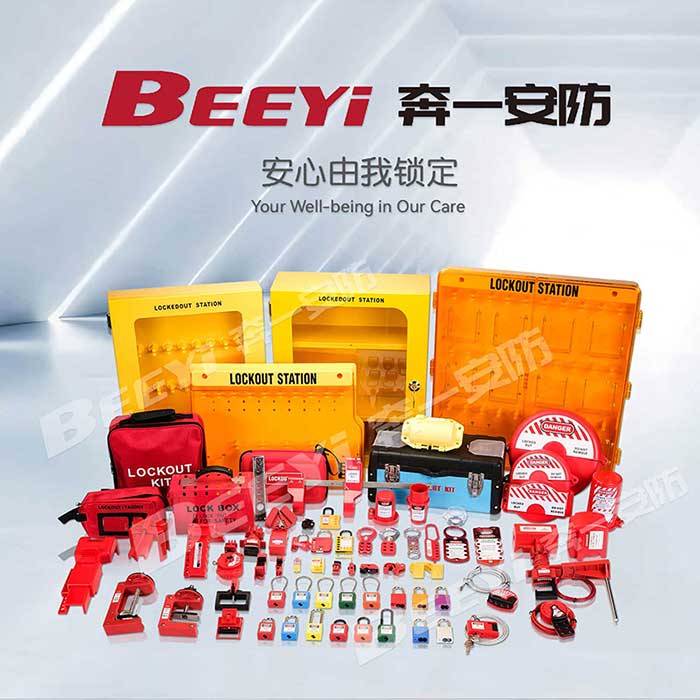
What is a Lockout Bag? A Lockout Bag is a safety device used in lockout/tagout procedures to hold and organize lockout devices, including locks, hasps, tags, and keys. It ensures that all equipment is properly locked out to prevent accidental operation, and it also provides a secure place for storing the lockout materials when they are not in use. Lockout Bags are typically made from durable, high-visibility materials such as nylon or canvas and come in various sizes and configurations to suit different work environments. Purpose of a Lockout Bag The main purpose of a Lockout Bag is to store and organize lockout equipment safely and efficiently during maintenance activities. These bags help prevent unauthorized personnel from accessing the lockout materials and accidentally activating machinery or equipment while it is being serviced. By keeping lockout devices in a designated bag, workers can quickly access the necessary tools to implement lockout procedures and ensure that all safety protocols are followed.
Leave a Reply