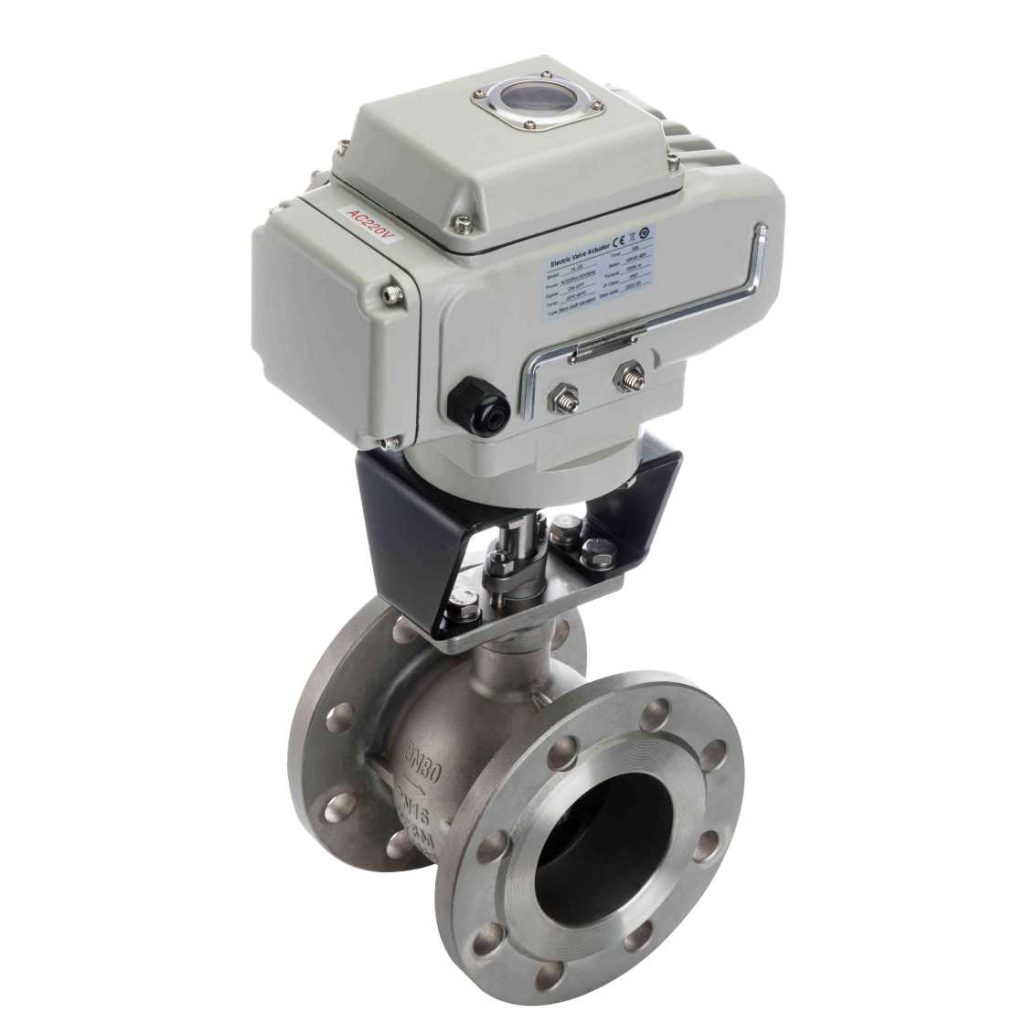
The WCB Electric V-ball valve is an essential component in modern industrial control systems, designed to efficiently manage the flow of fluids in various applications. This valve type has gained popularity across industries such as petrochemical, HVAC (heating, ventilation, and air conditioning), food manufacturing, and water treatment, thanks to its superior performance characteristics. This article delves into the key features, advantages, and applications of the WCB Electric V-ball valve, illustrating why it has become a preferred choice for fluid control.
Key Features
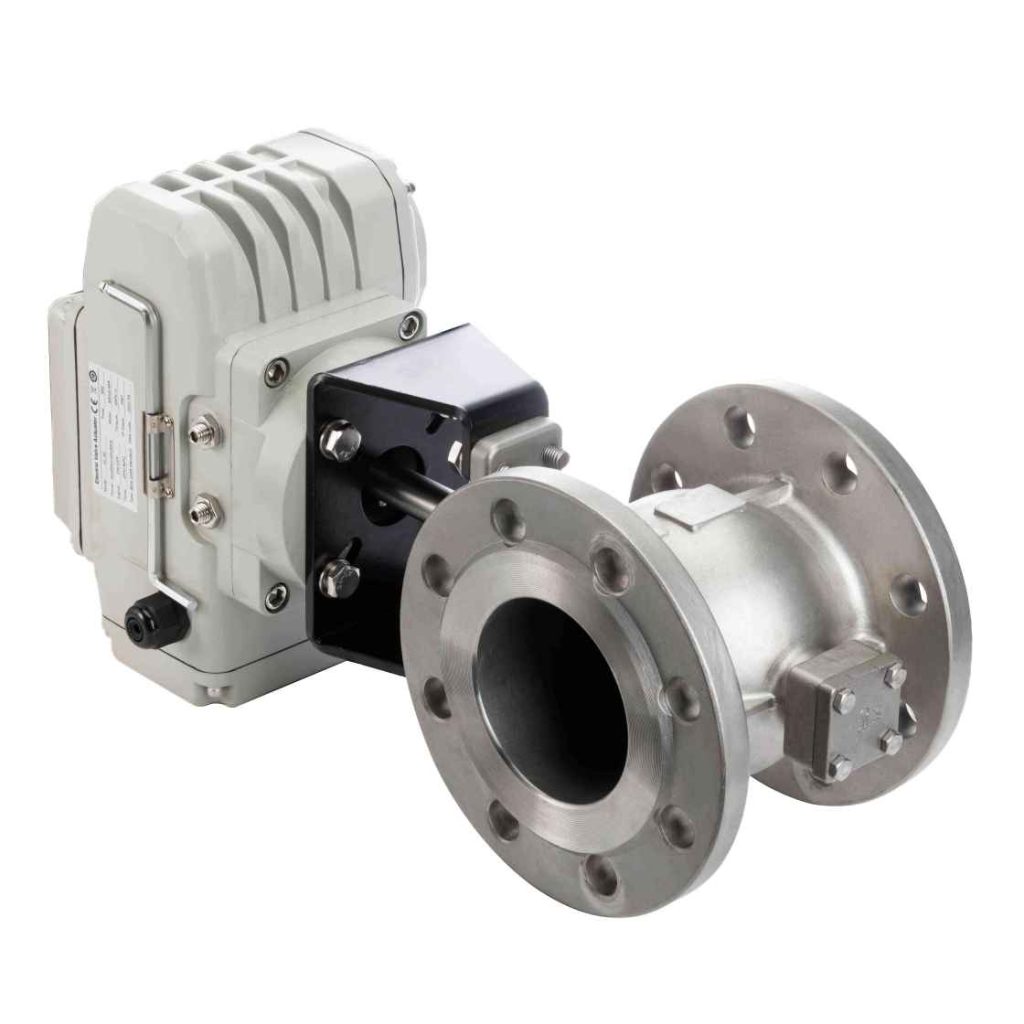
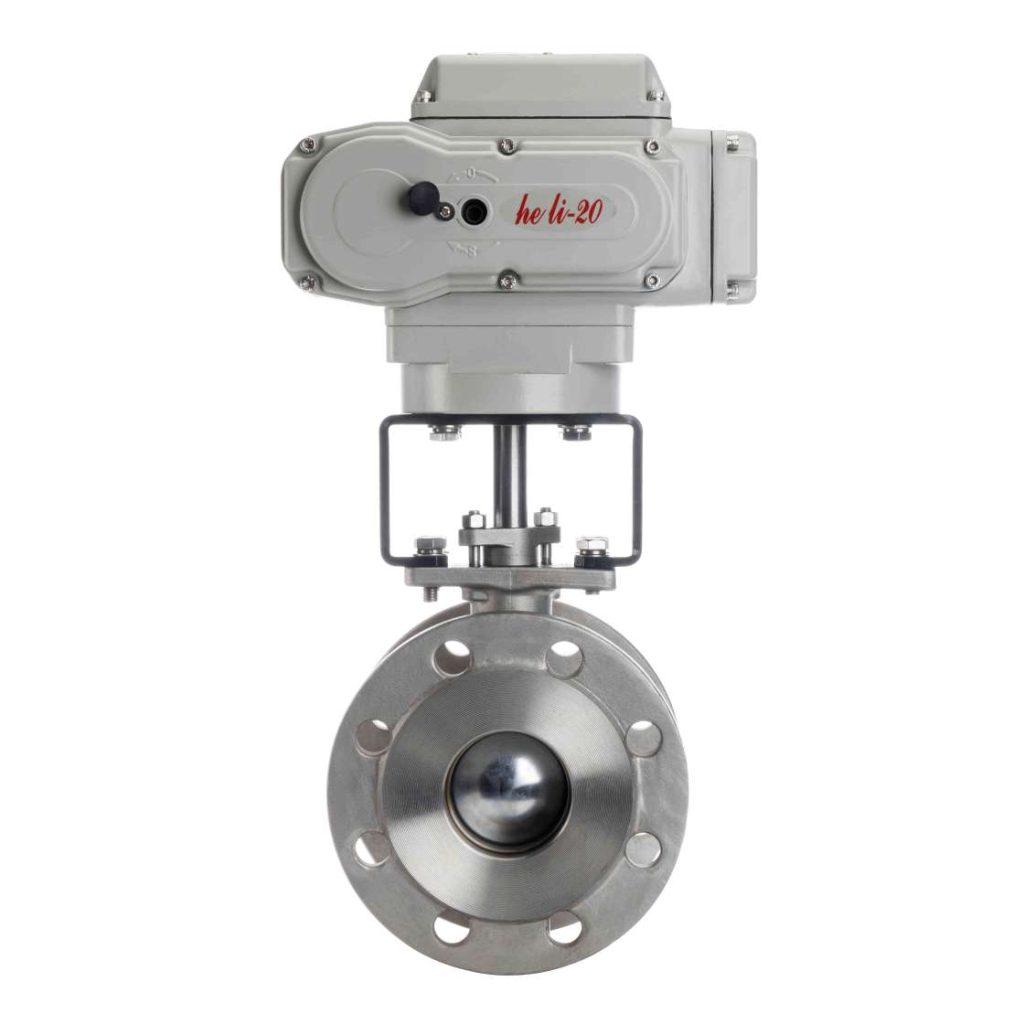
The hallmark of the WCB Electric V-ball valve lies in its unique V-shaped ball design, which distinguishes it from traditional ball valves. This design allows for better control of flow rates, particularly in throttling applications, making it highly effective for precise fluid regulation. The valve’s body is typically constructed from WCB (wrought carbon steel) material, renowned for its strength and durability, as well as its ability to withstand high pressures and temperatures. One of the essential features of the WCB Electric V-ball valve is its electric actuator, which automates the valve’s opening and closing functions. This automated operation not only enhances efficiency but also facilitates remote control capabilities, allowing operators to manage fluid dynamics from a safe distance. The integration of electric actuation reduces manual intervention, minimizing the risk of human error.
Leave a Reply