Relays are integral components in modern electrical systems, performing the essential function of controlling circuits by opening or closing contacts in response to a signal. Their versatility spans a wide range of applications, from industrial control systems to household appliances. Given the critical nature of their operation, ensuring the safety of relays is paramount. This article explores the various safety features embedded in relays to protect both the system they control and the operators who use them.
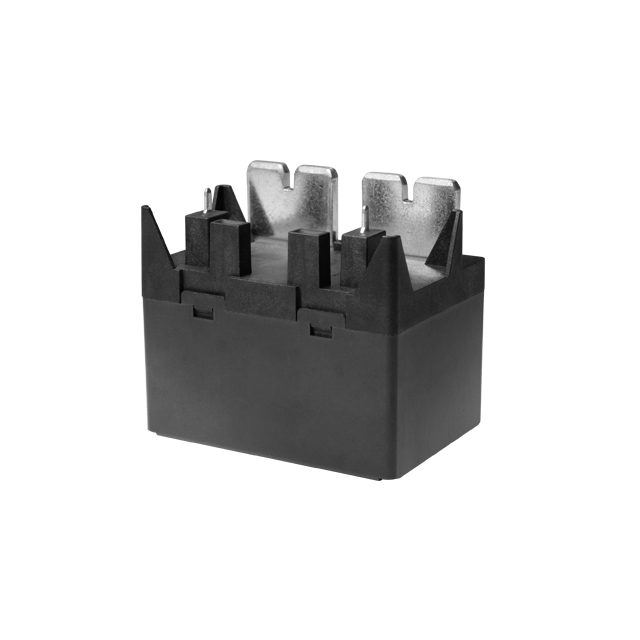
Overcurrent Protection Overcurrent protection is a fundamental safety feature in most relays, safeguarding both the relay itself and the circuit it controls from damage caused by excessive current. When the current flowing through the relay exceeds a pre-set threshold, the relay’s contacts open, thereby interrupting the circuit and preventing further damage. This protection is especially crucial in preventing the burning out of components, as well as minimizing the risk of electrical fires. In industrial settings, where heavy machinery and high-power equipment are often involved, overcurrent protection ensures that the relay can handle momentary surges without compromising the integrity of the overall system.
Leave a Reply