Pneumatic actuators are essential components in the world of automation and industrial processes. These devices use compressed air to create motion, allowing them to drive various mechanical systems. From manufacturing to robotics, pneumatic actuators offer many advantages that make them highly versatile and widely used. This article explores the working principles, types, and applications of pneumatic actuators, providing a comprehensive understanding of their significance in modern industry.
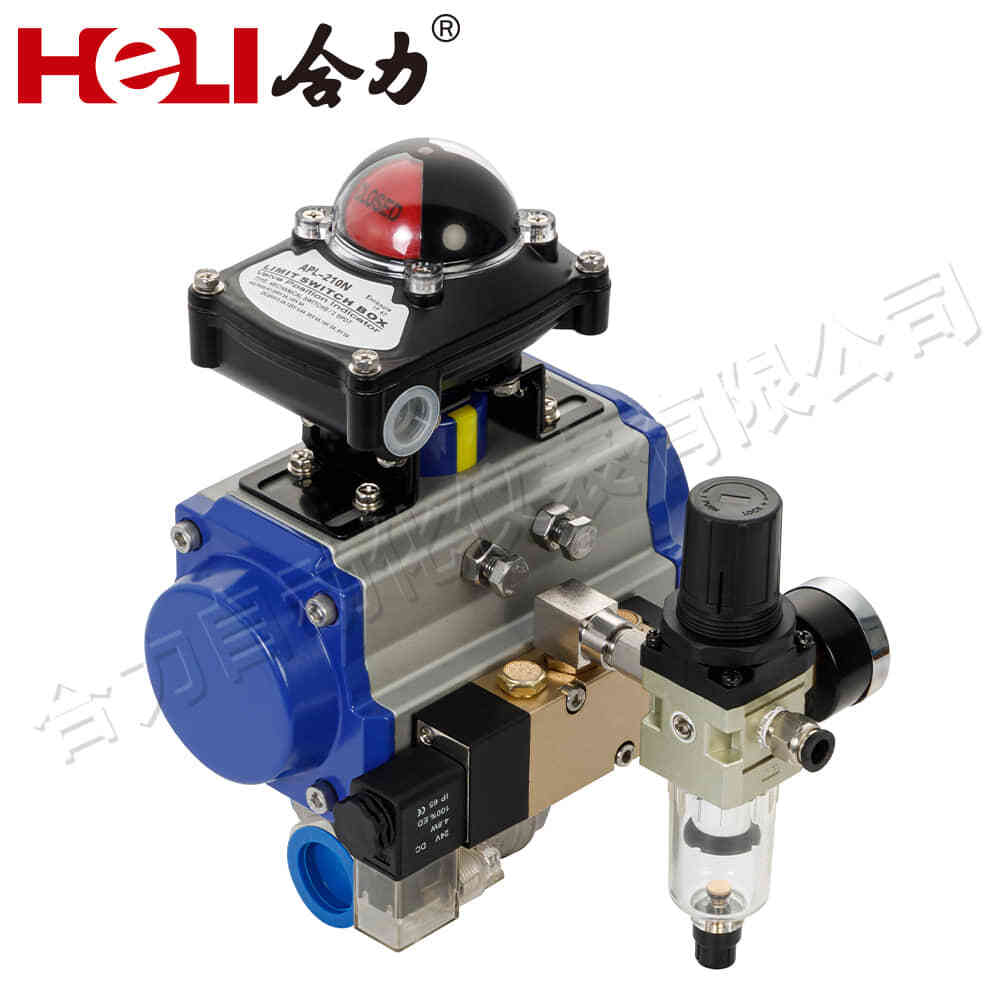
What is a Pneumatic Actuator?
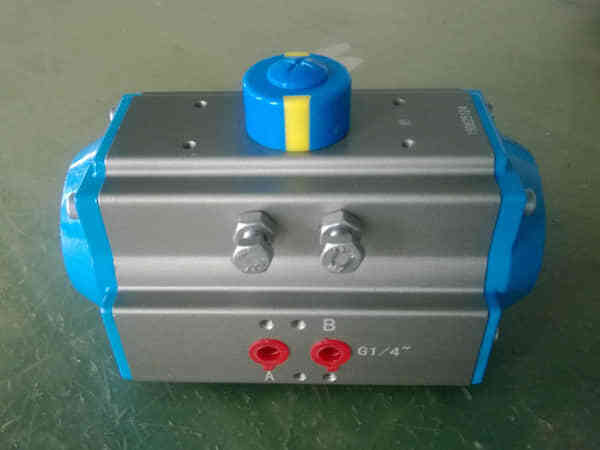
A pneumatic actuator is a device that converts compressed air into mechanical motion. The basic design consists of a cylinder, a piston, and a control valve. The pressurized air enters the cylinder, pushing the piston and generating linear motion. This motion can be used to perform a wide range of tasks, such as opening or closing valves, controlling robotic arms, or even moving large objects in an automated process. One of the key characteristics of pneumatic actuators is their ability to perform quick, efficient, and repetitive motions, which is crucial in various industrial applications. Additionally, because they rely on compressed air rather than electrical power or hydraulic fluid, pneumatic actuators are often considered safer and more cost-effective for many operations.
Leave a Reply