In the realm of electrical systems, safety is of paramount importance. When errors occur, they can lead to severe consequences, including equipment damage, electric shocks, or even fires. One of the essential devices in maintaining electrical safety is the Leakage Current Relay (LCR). This article explores the functionality, applications, types, and significance of LCRs in various environments, emphasizing their role in preventing electrical hazards.
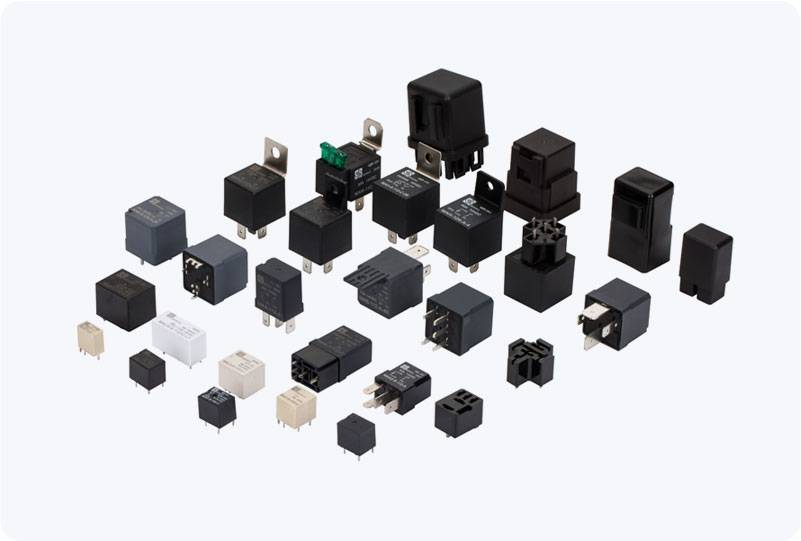
What is a Leakage Current Relay? A Leakage Current Relay is a specialized device that monitors electrical circuits for leakage currents—current that unintentionally flows to the ground due to insulation failure or other issues. These relays are equipped with sensors that detect the presence and magnitude of this leakage current. When the current exceeds a predefined threshold, the relay activates an alarm or cuts off power, effectively mitigating risks associated with electrical faults.
How Does It Work? The operation of a Leakage Current Relay hinges on its ability to measure current flow. Typically, it employs a core balance transformer or a current transformer to detect any imbalance between the incoming and outgoing currents in the circuit. Under normal conditions, these currents are equal; if there is a fault causing leakage, the relay detects the discrepancy. When the leakage current surpasses the set limit, the relay responds by triggering an alert or disconnecting the circuit.
Leave a Reply