A Thermostatic Mixing Valve (TMV) plays a pivotal role in maintaining a consistent water temperature in a wide range of plumbing systems. Whether in residential homes, commercial establishments, or healthcare facilities, the primary function of a TMV is to regulate the temperature of mixed water by blending hot and cold water streams to ensure safety, comfort, and energy efficiency. This article explores the significance of Thermostatic Mixing Valves, how they work, their applications, and why they are essential for modern plumbing systems.
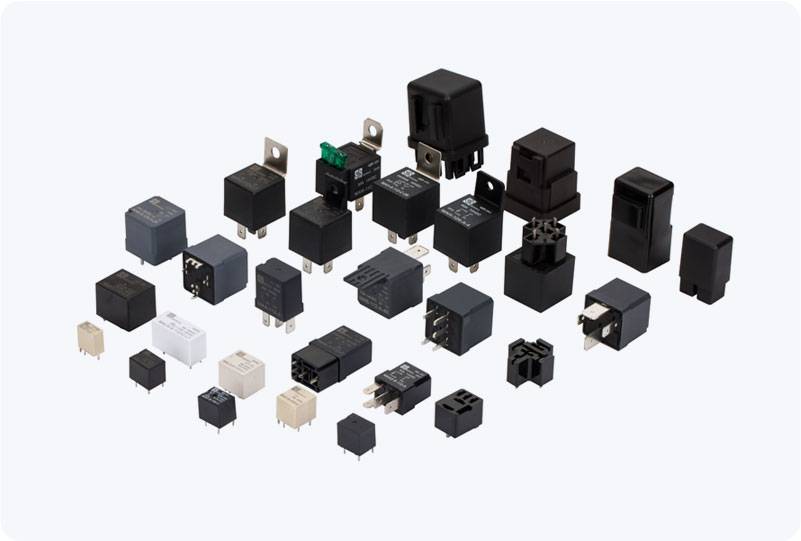
What is a Thermostatic Mixing Valve? A Thermostatic Mixing Valve is a mechanical device used to control the temperature of water in a plumbing system by mixing hot water with cold water in a specific ratio. The valve is designed to maintain the output water temperature within a safe and preset range, regardless of fluctuations in the incoming hot or cold water supply. By automatically adjusting the flow of hot and cold water, TMVs prevent scalding from excessively hot water or discomfort from water that is too cold. How Does a Thermostatic Mixing Valve Work? The core functionality of a TMV is based on a thermostatic element, typically a temperature-sensitive sensor, that automatically adjusts the valve opening to maintain the desired temperature. When hot water flows through the valve, the thermostatic element expands or contracts based on the water temperature. If the incoming water is too hot, the valve restricts the hot water flow while allowing more cold water to mix in. Conversely, if the incoming water is too cold, the valve allows more hot water to flow to maintain the set temperature.
Leave a Reply