A One Way Solenoid Valve is a critical component in many industrial and automation systems, widely used to control the direction of fluid flow in piping systems. These valves play an essential role in maintaining the correct flow and preventing backflow, ensuring that the flow of liquids or gases moves in the desired direction. In this article, we will explore the workings, applications, and benefits of a one-way solenoid valve, shedding light on its importance in modern engineering.
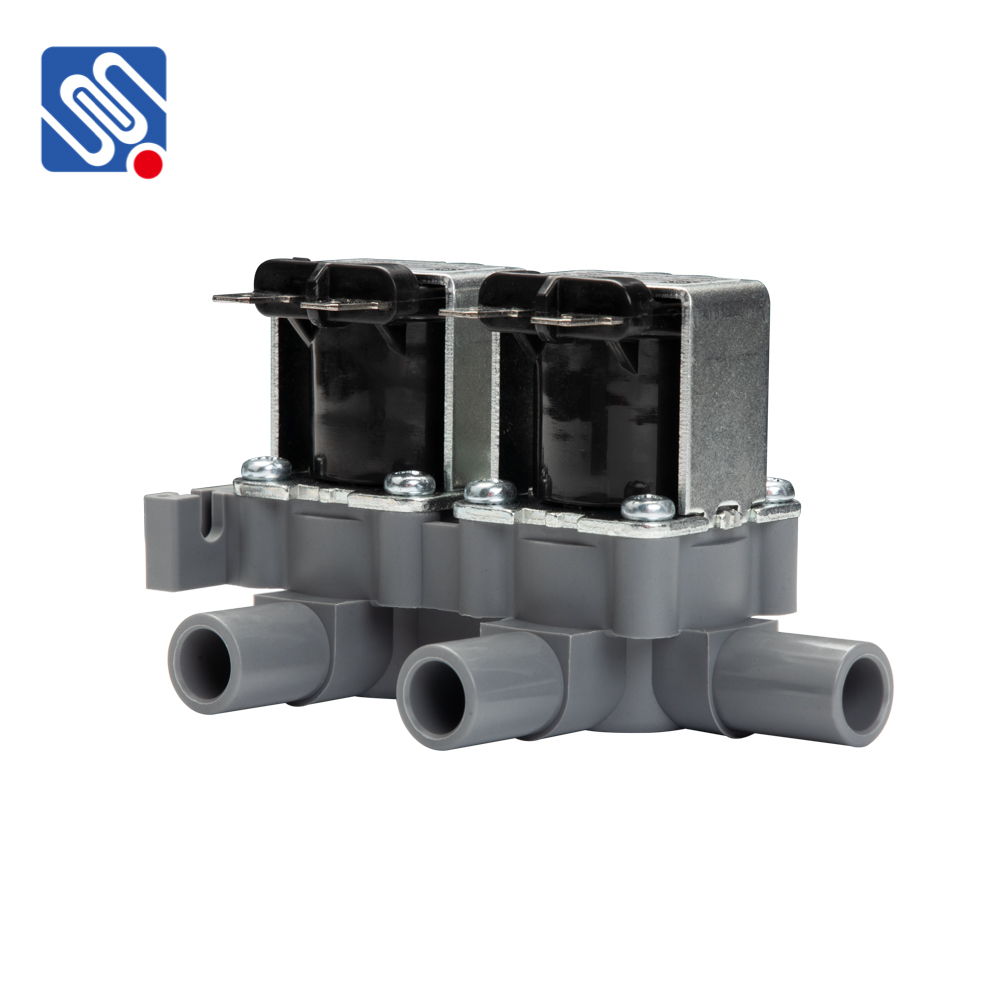
What is a One Way Solenoid Valve? A One Way Solenoid Valve is an electrically operated valve that controls the flow of fluids (either gas or liquid) in one direction. It is designed to open or close depending on whether an electrical current is applied to the solenoid, which controls the movement of the valve’s internal components. The “one-way” feature refers to the fact that the valve allows flow in only one direction and blocks any reverse flow. This is achieved by using a spring-loaded plunger or diaphragm that either opens or closes depending on the electrical signal provided. These valves are typically designed to operate in two states: one where the solenoid is energized and the valve is open, and the other where the solenoid is de-energized and the valve is closed. This simplicity and reliability make the one-way solenoid valve ideal for various applications in industries ranging from automation to fluid control systems.
Leave a Reply