Safety padlocks are essential tools for ensuring security in various environments, from industrial workplaces to residential properties. These locks provide an added layer of protection against unauthorized access and are commonly used in settings like factories, warehouses, and homes. However, when it comes to purchasing a safety padlock, one of the primary considerations is its price. Understanding the factors that influence the cost of safety padlocks can help consumers make informed decisions. This article explores the different aspects that contribute to the price of safety padlocks and provides a comprehensive overview of what you can expect to pay for these important security tools.
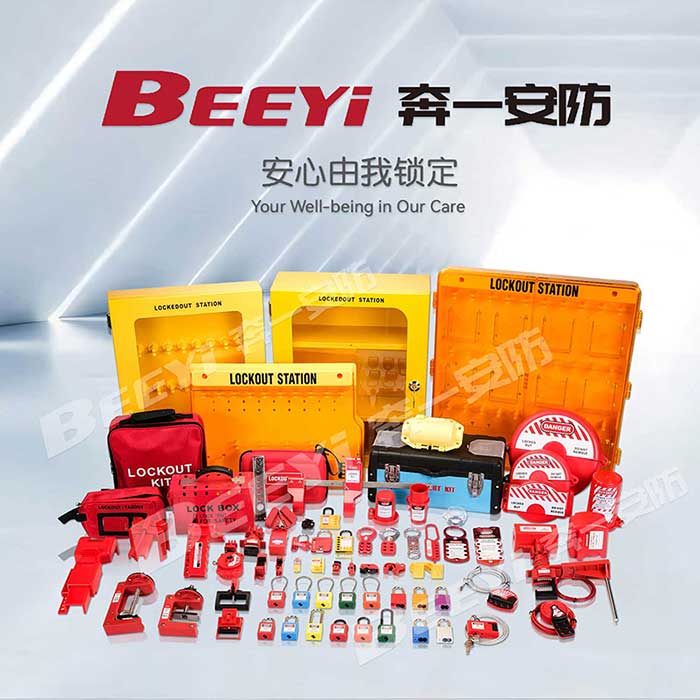
1. Material and Durability The material from which a safety padlock is made is one of the most significant factors affecting its price. Safety padlocks are typically constructed from materials like steel, brass, aluminum, and stainless steel. Stainless steel and high-strength alloys are often used for higher-end locks due to their durability and resistance to corrosion, making them ideal for harsh environments. Locks made from these materials tend to be more expensive than those made from standard steel or brass, as they offer better protection and longer service life. Additionally, the inclusion of features like weatherproofing or anti-corrosion coatings can add to the price of a safety padlock. For example, if you need a padlock for outdoor use, a lock that resists rust and is designed to withstand rain or humidity will generally cost more than a standard indoor padlock.
Leave a Reply