High Current Power Relays (HCPRs) play an essential role in modern electrical systems, enabling the safe and efficient control of high-power devices. These relays are particularly suited for applications involving significant current loads, such as motors, transformers, and various industrial equipment. Given their critical function, understanding their design, operational principles, applications, advantages, and maintenance is important for engineers and technicians.
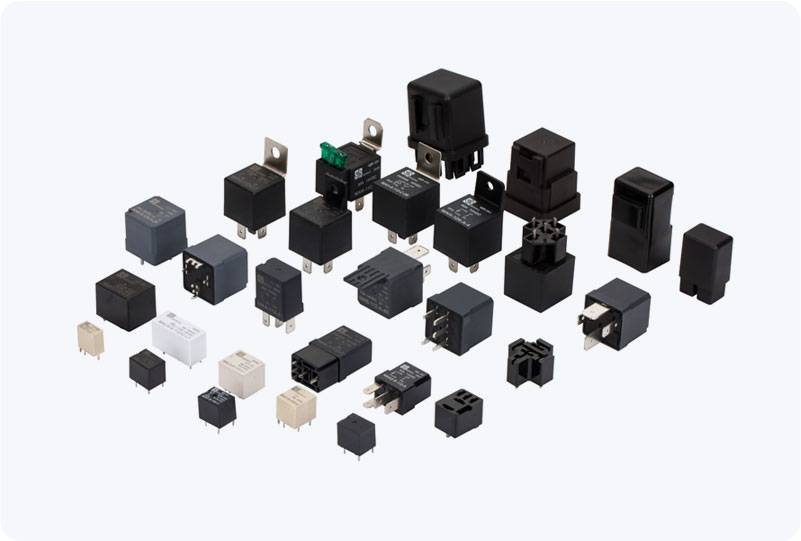
Principle of Operation The core principle behind the High Current Power Relay is electromagnetic induction. When an electrical current passes through a coil, it generates a magnetic field, which activates the relay. This magnetic field moves an armature that opens or closes the contacts within the relay, thus enabling or interrupting the electric flow in the connected circuit. Unlike standard relays, HCPRs are specially designed to handle much higher current levels, requiring robust materials and construction techniques to ensure safety and reliability. Design and Construction High Current Power Relays are constructed to withstand the demands of their intended applications. Key components of an HCPR include:
Leave a Reply