In today’s rapidly evolving electronics landscape, compliance with safety and environmental regulations has become paramount. Among the essential certifications that manufacturers and consumers should be aware of are CE and RoHS. When it comes to relays, which play a crucial role in a vast array of electronic applications, obtaining CE and RoHS certifications signifies that these components meet stringent health, safety, and environmental guidelines. This article aims to explore the significance of CE and RoHS certified relays, their implications for manufacturers and users, as well as their impact on the market.
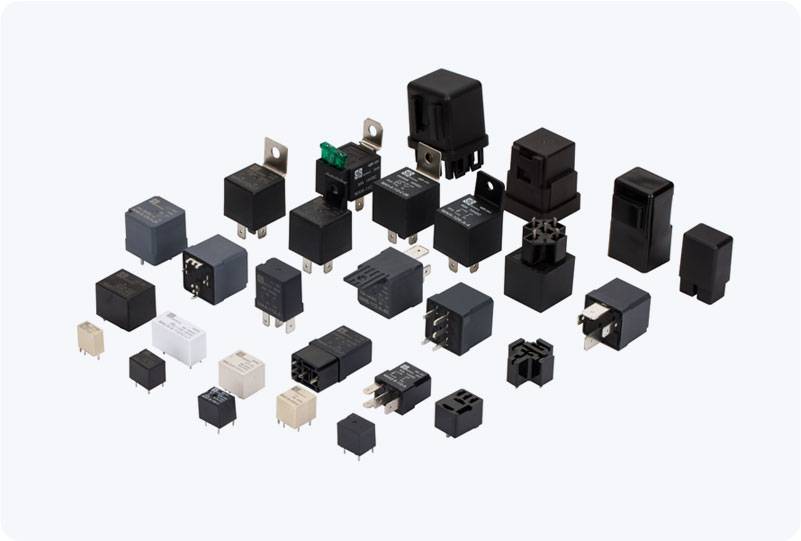
Understanding CE Certification CE marking stands for “Conformité Européenne,” which translates to European Conformity. This certification indicates that a product meets the essential requirements set forth by European Union directives regarding health, safety, and environmental protection. For relays, compliance with CE standards assures users that the product has undergone rigorous testing and meets EU guidelines such as the Low Voltage Directive (LVD) and the Electromagnetic Compatibility Directive (EMC). The process of acquiring CE certification typically involves several key steps. Manufacturers must perform a comprehensive self-assessment or engage a third-party verification body to evaluate the relay’s design, construction, and performance. Additionally, appropriate documentation must be maintained to demonstrate compliance, which is crucial for traceability and accountability.
Leave a Reply