In the realm of electrical engineering and automation, ensuring the reliability and longevity of electrical motors is a top priority. Motors are the backbone of industrial machinery, powering everything from pumps to conveyor belts. However, these machines are susceptible to various failures, and one common cause is motor overload. This is where the Current Overload Relay (COR) comes into play, serving as a vital protective device.
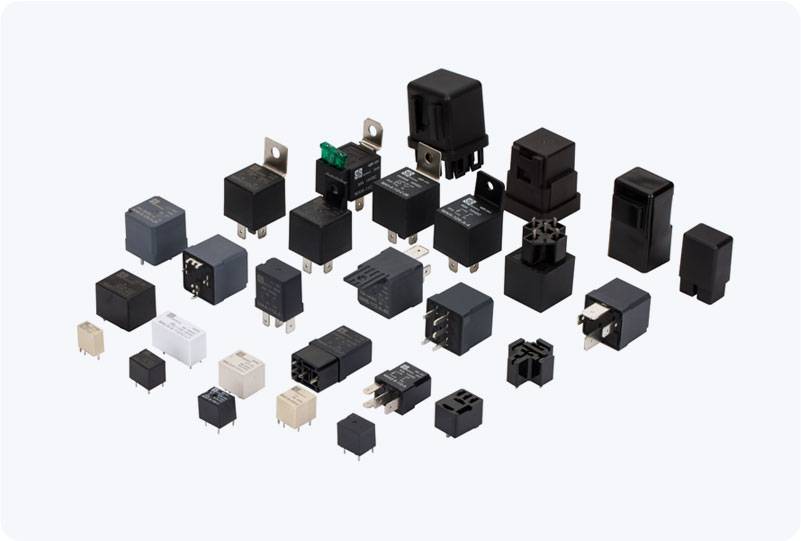
What is a Current Overload Relay? A Current Overload Relay is an automatic switch designed to monitor the current flowing to a motor. Its primary function is to detect conditions that may lead to motor damage, primarily excessive current or overload situations. When the current exceeds a predetermined threshold, the relay acts to cut off the power supply to prevent potential damage to the motor. Types of Current Overload Relays There are primarily two types of Current Overload Relays: thermal overload relays and electronic overload relays. Thermal Overload Relay: This traditional type employs a bi-metallic strip that bends when heated by excessive current flow. As the strip bends, it triggers a switch to cut off power to the motor. These relays are simple and reliable, usually found in lower power applications.
Leave a Reply