Relay circuit protection is a critical component in modern electrical systems, ensuring the safe operation of circuits by preventing damage caused by faults such as overloads, short circuits, or voltage fluctuations. As technology evolves, the demand for reliable, efficient, and automated protection mechanisms grows. Relays, in this context, play a fundamental role in safeguarding electrical equipment, enhancing system longevity, and minimizing the risks of failures. This article will explore the concept of relay circuit protection, its importance, and how it functions in various applications.
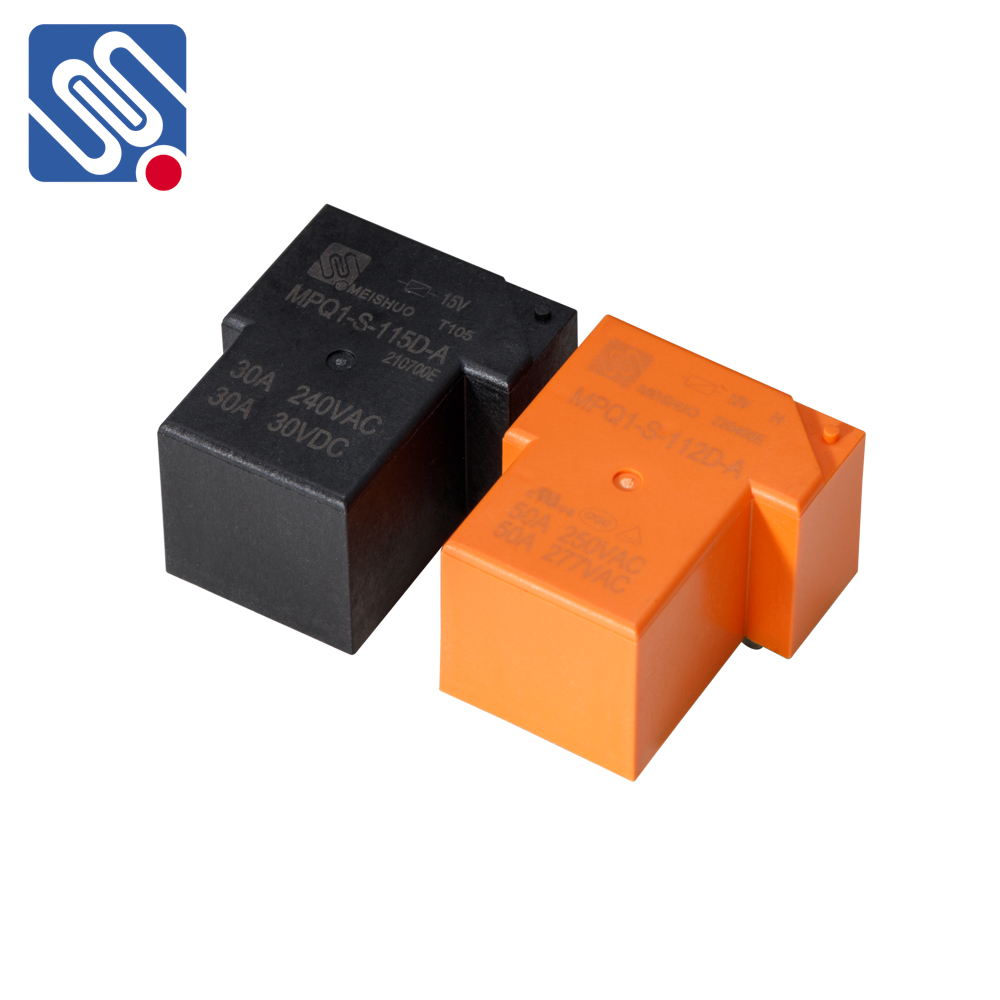
What is Relay Circuit Protection? Relay circuit protection refers to the use of relays—automated electrical switches that control the operation of circuits—to detect and respond to abnormal conditions in an electrical system. When an abnormal event such as an overload, short circuit, or voltage deviation occurs, the relay is designed to quickly activate and disconnect the affected part of the circuit, thereby preventing further damage to the system. Relays perform this function by monitoring specific electrical parameters, such as current, voltage, or temperature, and providing rapid response to any fault conditions.
Leave a Reply