In industries where hazardous materials are handled, safety is paramount. This is especially true when dealing with flammable gases, vapors, or dust, which can lead to catastrophic explosions if not properly controlled. Explosion-proof electric valves play a critical role in such environments by offering reliable solutions for fluid control while minimizing the risk of ignition. The demand for these specialized valves has led to the rise of Explosion-proof Electric Valve ODM Manufacturers, who design and produce custom solutions to meet the diverse needs of various industries.
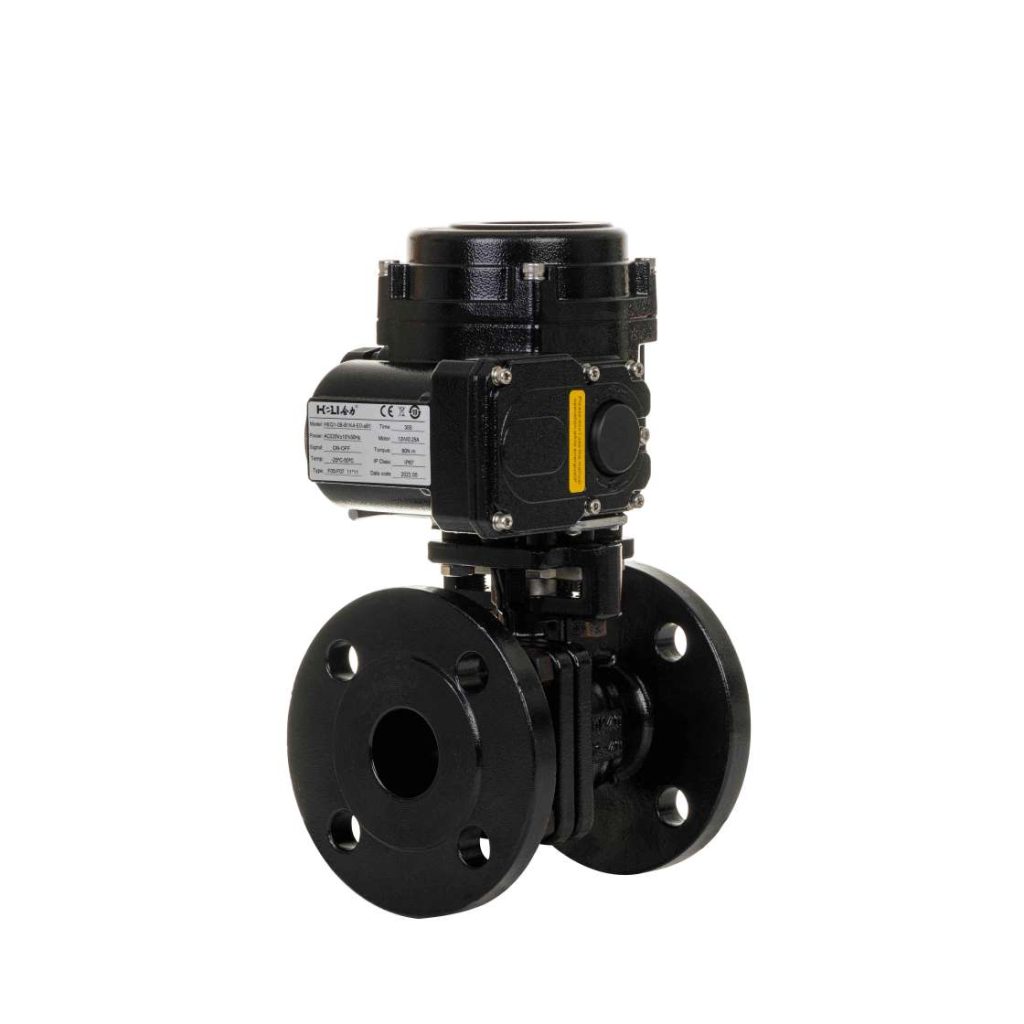
Understanding Explosion-proof Electric Valves
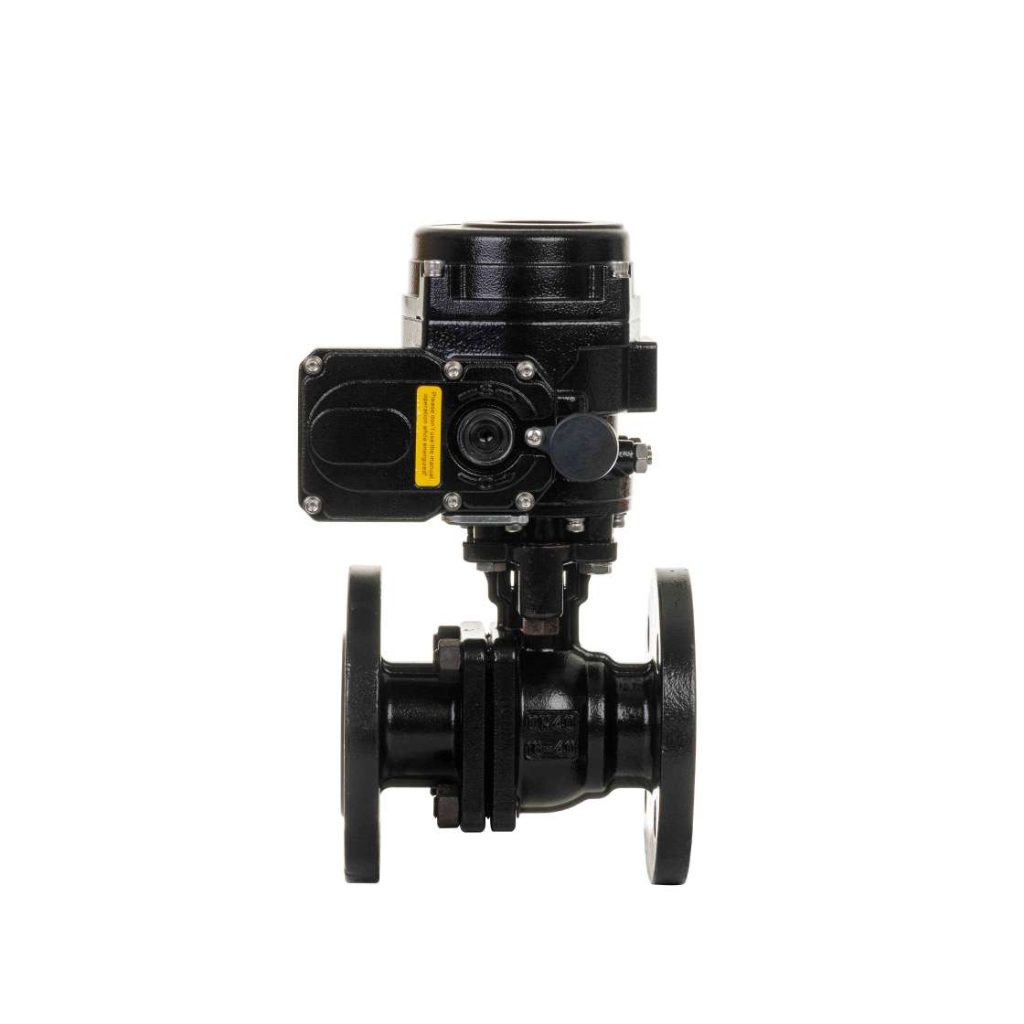
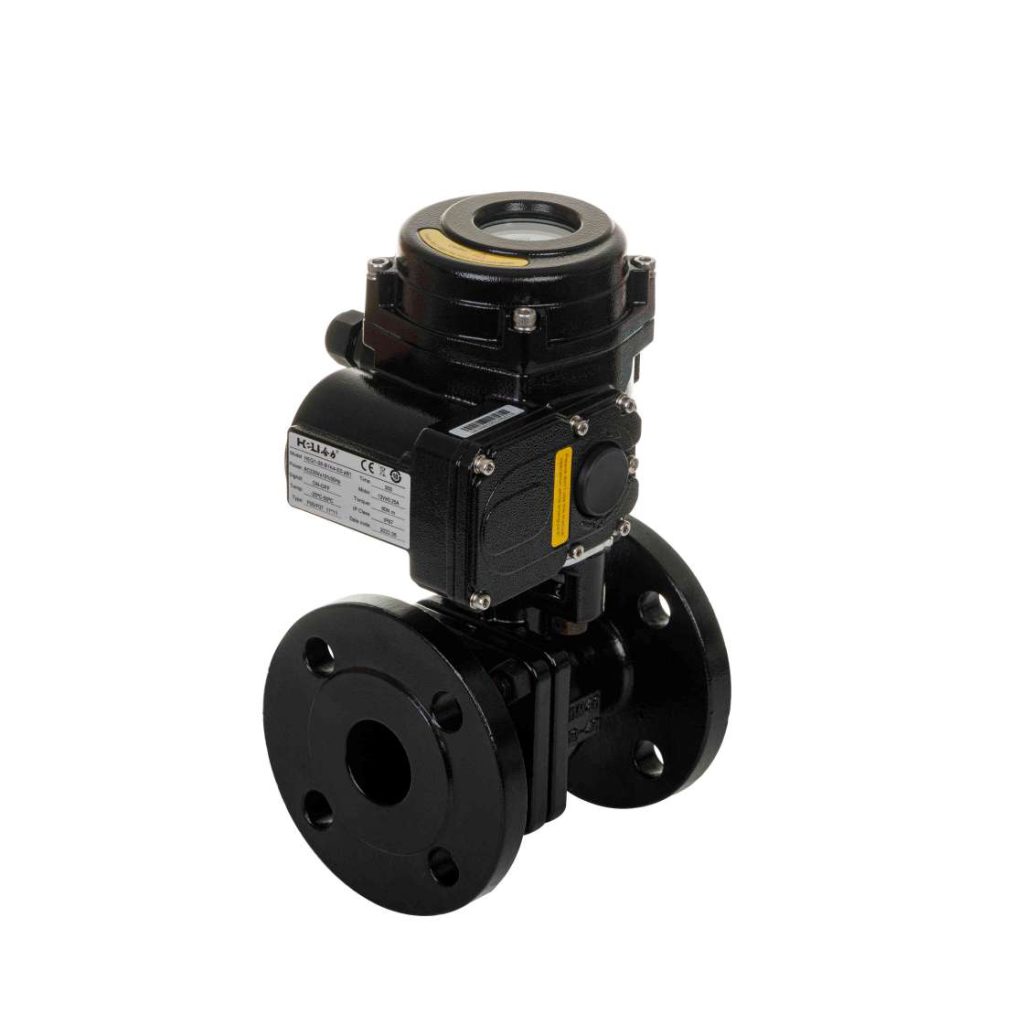
Explosion-proof electric valves are designed for environments where the presence of volatile substances makes safety a priority. These valves are essential in applications such as chemical processing, oil and gas, pharmaceutical manufacturing, and mining. Their primary function is to control the flow of fluids—such as gas, liquid, or slurry—while ensuring that electrical components do not spark and ignite potentially explosive substances. These valves are not just ordinary components. They are specifically engineered to prevent any possibility of an electrical spark escaping into the surrounding atmosphere. The valve’s actuator is typically housed within an explosion-proof enclosure, which is built to strict standards. Common certifications that these valves must comply with include ATEX (Europe), IECEx (International), and UL (United States). These certifications confirm that the valves are safe for use in explosive atmospheres, offering peace of mind to industries operating in high-risk zones.
Leave a Reply